Translate

Monday, September 21, 2020

snakes

 This is a picture a friend took (Thanks Kate!), but is included because it is such an awesome picture of a lesser known snake species.

The head looks all large and rattlesnake like, but it was small and has no rattle, SO this is a hognose snake, an amphibian eating specialist that can eat the otherwise poisonous toads while they are hiding in their small burrows. The ribs behind the head flare out exactly like a cobra, but this guy's only defense against being picked up is a stinky smell (which is actually pretty effective.....the SECOND time you meet one).

Another friend passed on to me a spadefoot toad that was found in Rio Rancho. To be clear, I do NOT need more pets. I also think wild animals are best kept in the wild, BUT I also love these guys. They make horrible pets because most of the year they just hide in the dirt and do nothing, but they are also very photogenic and pretty low maintainace. All frog needs in captivity are different, but this guy just needs a small and clean warm, damp space with some good heat (60's). He is a big fan of a low roof to his burrow. I feed them moths, but with over feeding their enclosures need pretty regular cleaning and because of that you disrupt their hibernation, so you have to keep them at least for the whole winter. They actually do not like swimming, this picture shows him getting his once a year bath in tepid water for identification purposes.
wild animals have to find their own food. The take advantage of changing environments. Here, a raccoon print shows where it stuck it's snout into a crayfish burrow, likely looking for a hiding juvenile frog. The scuzzy is dry now and those juvenile bullfrogs have to move out temporarily. The ditch is now a damp meadow, a very rare type of environment indeed.this story of tracks shows a squirrel coming down to the waters edge for a drink. The soft clay shows a retreating edge of still, silty waters and the burrows of a worm species as they seek the oxygen of surface water. The squirrel clearly wasn't expecting the mud to be so soft!the turkeys are moving in to the fields to feed. They will soon be joined by cranes.

Thursday, September 17, 2020

cool


Moisture in the air helps life thrive in the cooler nights.
One of the most annoying things for a blog is trying to talk about something I've seen without a picture to show it. A couple of examples this week include a giant sphinx moth feeding on datura flowers in the evening and migratory shore birds hunting along the wet mud in the ditch.
The different birds all use different habitat to feed in the same area. Geese like short grass. Small birds like dense cover, like trees or tall gras, sandhill cranes prefer recently knocked over corn stalks.
Suddenly the ditch has baby frogs in it! Lots of them. The tadpoles co-ordinate their change into frogs with a dropping of the water table. I think this is likely to avoid predators rather than to avoid tadpole dessication.
That activity attracts many other visitors, which is why the frogs have to vamoose .Not having feet is a big advantage in mud. Small bullsnakes, like this 4 footer, need young frogs to eat until they develop enough hunting skills to tackle rattlesnakes and rodents.
Many small perch use perch hunting to dart out from small perches to grab insects that have newly emerged from the mud. Here is a phoebe.
this is a Wilson's warbler.


Sunday, September 13, 2020

thunderbird

With this storm and cold winds there should be sightings of sandhill cranes in the skies soon. We think we can hear the deeper cries of cranes in the mornings now but we haven't gotten a picture yet. the far more common geese have started to return and migrate from the river to the fields daily to feed and rest.
for those who want to know; pigweed on the left with light green, straight branches.Tumbleweed on the right with spiky, dark green, curved branches.
Very few insects out on this cold and rainy night. Apart from this grass spider.definitely more spider activity. The dew settles on grass spider webs the lower night temperatures let it.
dew is an important source of water for desert plants. Many of the silvery ones have small spikes that trap moist air from their respiration close to the holes on the undersides of the leaves.
A clear sign of autumn, tarantulas crossing the road on the mesa. these males are migrating, looking for female burrows under rocks or patches of grasses.
Migration is very important for most animals, not just the birds. Amphibians and reptiles can be very conspicuous as they try to maximize the heat of the day for hunting, or to warm up, which is crucial for their digestion too. There is an early morning woodhouse's toad, being a rock. You are welcome.

Tuesday, September 8, 2020

mountain

how acequias start in a ranch on the Sangre de Christo mountains. A scratch along the contour of a hill is used to irrigate a meadow for grazing. The acequias in Corrales probably started the same way.
on the Vallejos ranch near Mora I had a blast looking for, and photographing leopard frogs, one of my enduring passions. They supposedly live in Corrales too, but I have never seen one. They thrive best in clear, clean water's with few predators.
the sunset was very red due to heavy smoke drifting down from Colorado wildfires.There are beaver in the Rio Grande river, but this far down they prefer to dig holes in the banks. Up in Coyote Creek campground near Mora they still build the traditional stick structures. Beaver dams are traditionally a problem for river management, although many of them form meadows and habitat for many types of animals.The high winds have put a lot of debris into the ditch, which someone will have to clean out eventually. These tumbleweeds actually came to America from Russia and use the wind to dispense the seeds.this Russian olive is now blocking a public access. Olive trees don't usually get blown over, but there seems to have been a lot lately.

Saturday, September 5, 2020

yellow

Not everything that buzzes and has yellow striped will sting, or (even can sting). Yellow stripy flying things come in a huge of sizes, shapes and temperaments.I have been stung by a bumble bee, but mostly they only care about the flowers.this little bee can't even sting people.this nest of paper wasps has been slowly growing and needs some caution. (Don't hit their babies with a stick). I leave them alone, and they leave me alone.
There is no more caterpillar frass dropping from the trees now. All those caterpillars are pulpating now the leaves are dried up (instead of eating them, they now hide behind them)my three hummingbird feeders are being filled daily as these hyperactive Napoleons battle over who gets to sit where.datura flowers open at night. Bizarrely, you can see the shadows of trapped bees inside. Prevailing wisdom is the honeysuckle scent attracts sphinx moths, but these domestic bees were pretty excited to get to the blooms too, and there was lots of them.this morning a bird hit our front window and is sitting stunned outside. Best to leave it alone it is hard to not try to help but the experts say they recover best if left quiet and calm.

Friday, September 4, 2020

refuge

The rufous begin their migration across the gulf of Mexico (hurricane free right now). And new residents move in with the colder weather, cranes, ducks and geese. The heron above was probably here all summer. Bird individuals are hard for me to distinguish.
The water levels in Scuzzy have returned to normal levels again after a dry spell of a week or so. The resiliency of the wetlands is astonishing. Tadpoles and adult frogs are back in areas that 2 days ago was hot, baked, stinking mud. The water is crystal clear now though; organisms like bacteria and microscopic plants haven't yet colonized to the levels to make the water cloudy. In the picture above you can see the swirls of duckweed (on the Left) pushing against the resident snotweed beds(on the Right). This area is loaded with small fish and bullfrog tadpoles; full of new nutrients at the boundaries of old versus new.

The colder nights are bringing the spiders closer to the human habitations. The feared black windows mostly are only out in their webs long after sunset. Preying mantis are hunting small moths attracted to porchlights.

Did you know there are just under 6,000 species of ladybug? This one is in the "oblong, or maybe convergent ladybug" family. I used to think ladybugs and mantis were only released by rose gardeners to control aphids. Turns out there are plenty of wild ones too!

A whole bunch of these guys turned up at my attractant lights Last night. Absolutely no idea what they are, stymied my trusty computer program too... some sort of moth, I think.
My neighbour has been blaming the squirrels for stealing his grapes. While cleaning the ditch of beer cans, I stumbled on this pile. Sigh, I guess some humans figured they were tasty, found out they are not store bought, and threw away a whole year's worth of growth...The ants are working on recycling them now...
Bats are even harder to get a good picture of than birds are. This guy was hunting over clear ditch (where the musk rats are found) and was huge. There are many species of these mammals around, they hunt small flying insects just before nightfall, but never easy to see well in the wild.


Thursday, September 3, 2020

disaster

Disasters are a fact of living. Of course, the type of disaster that occurs depends on where you live. Luckily, they are also kind of predictable. Cottonwood trees will shed branches in dry weather. Branches will land on fences. Fences need mending. Still, its insult to injury to then pay to remove the other branches.
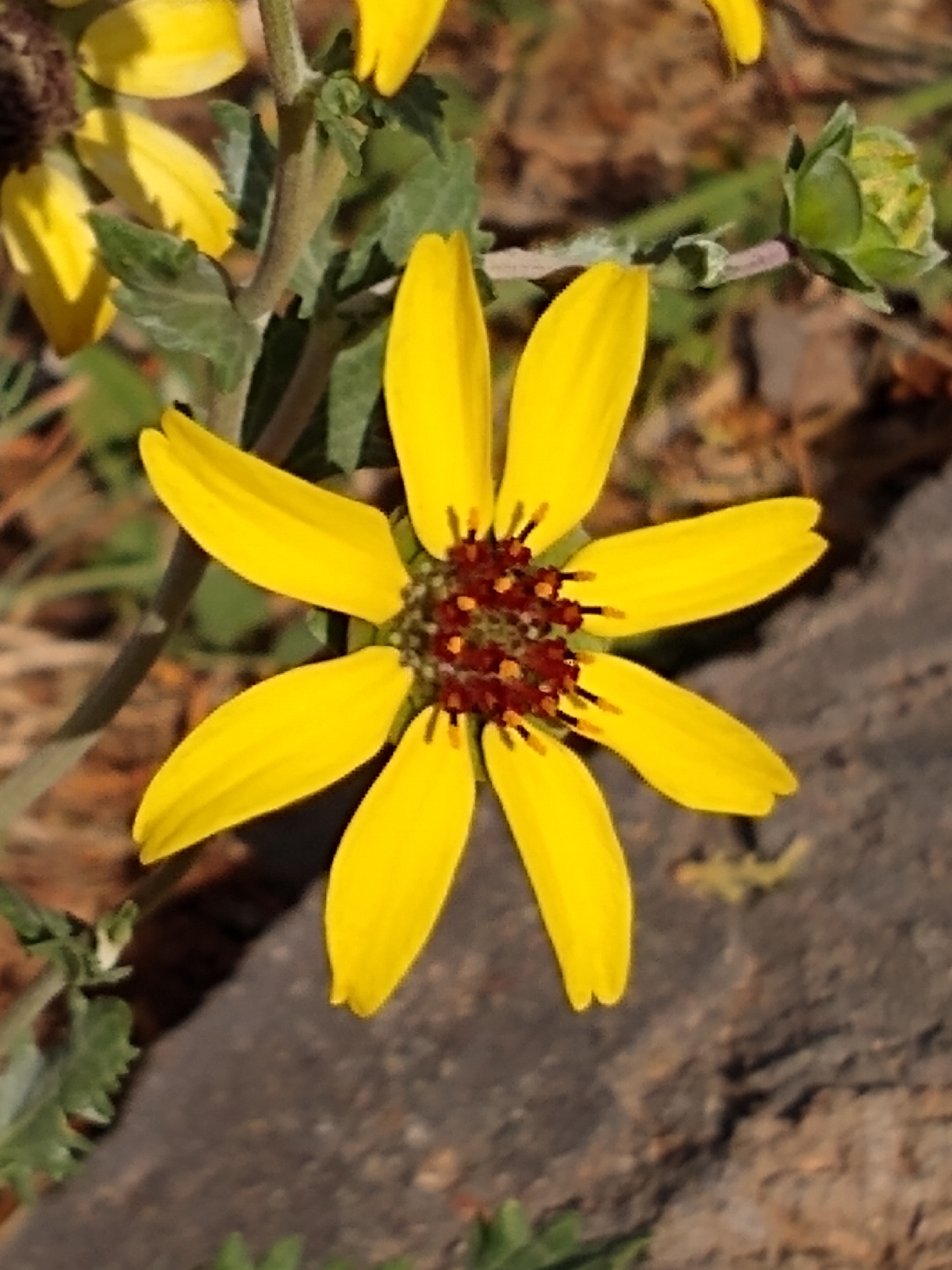
there had been many people talking about woodpeckers drinking nectar. This dude was more interested in pecking into the plastic. I'm pretty sure he was actually looking for bugs. I wondered why there were no hummingbirds harassing him.there seem to be lots of asters around right now. I did not know daisies like these are a type of aster. Kind of obvious now looking at them.
Cold weather controls a lot of animal behaviours, also plants; the snotweed that normally floats in a pond sank to the bottom when the temp dropped. Not sure what the mechanism is, but is strange.a lot of the large insects are getting sluggish in the mornings, probably explains all the birds excitement in the early mornings now.