"A taste for the beautiful is most cultivated out of doors, where there is no house and no housekeeper"
Thoreau
One of the nicest things about contemplating nature is that there is so much to see in nature that we can be free to find patterns to anything we choose. This can mean both good and ill, so some perspective is necessary.

That light can be split into patterns through infinite minute droplets and the right light angle is mind boggling. That it will make a double rainbow takes things just a bit further.

The sunset and other examples of the complex interplay of light have long fascinated all people at some point. A magical picture is created simply by having sunlight, moisture, and dust.
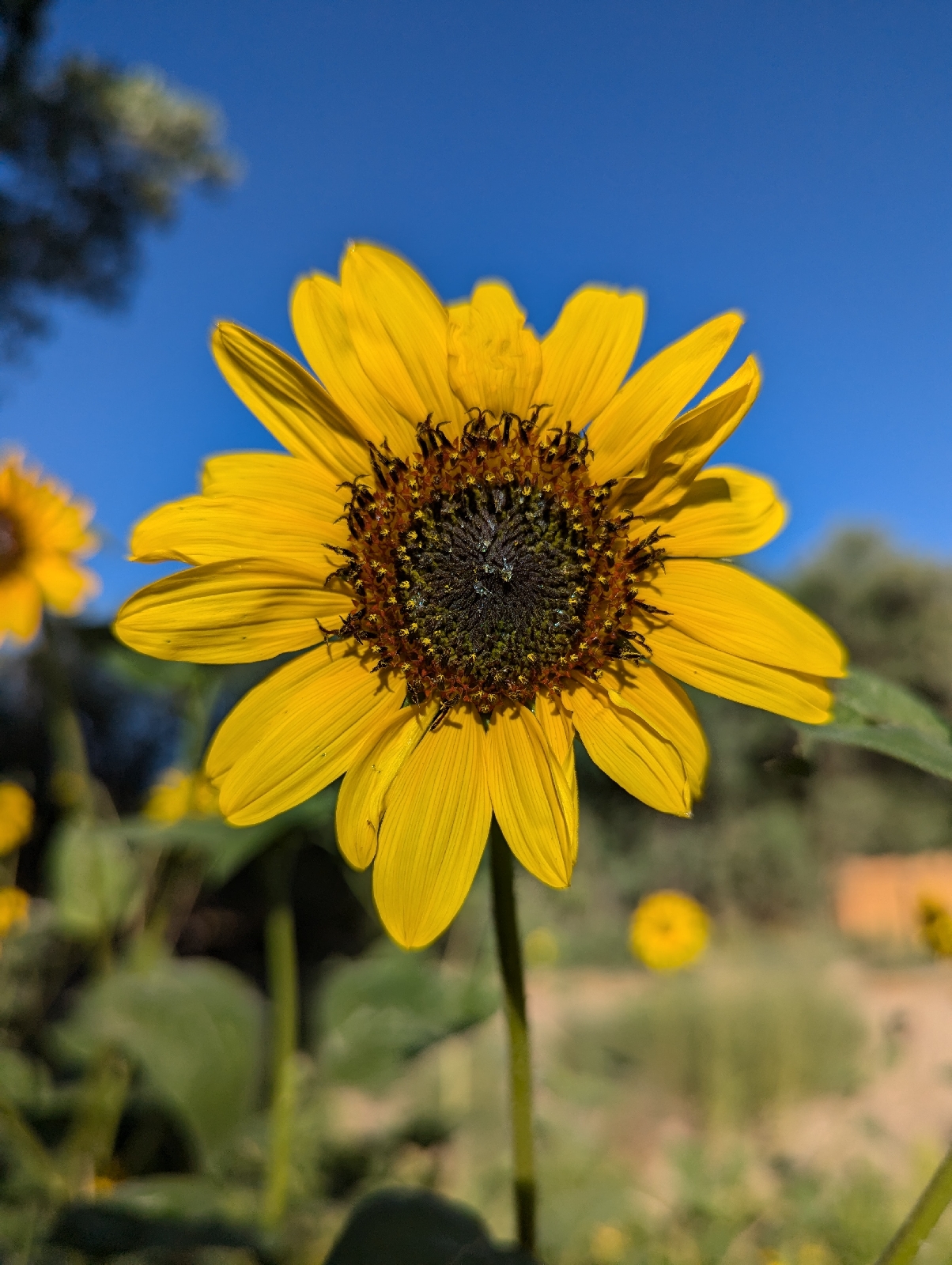
The sunflower is also the product of sunlight, water and soil. These large compound flowers in the aster family turn their face to the sun during the day. They use hydraulics and some pretty complex biochemistry to achieve this. Likely this keeps the flower face warm, helping the seeds mature faster, encouraging passive water transport, attracting more pollinators, and lengthening their growing season.
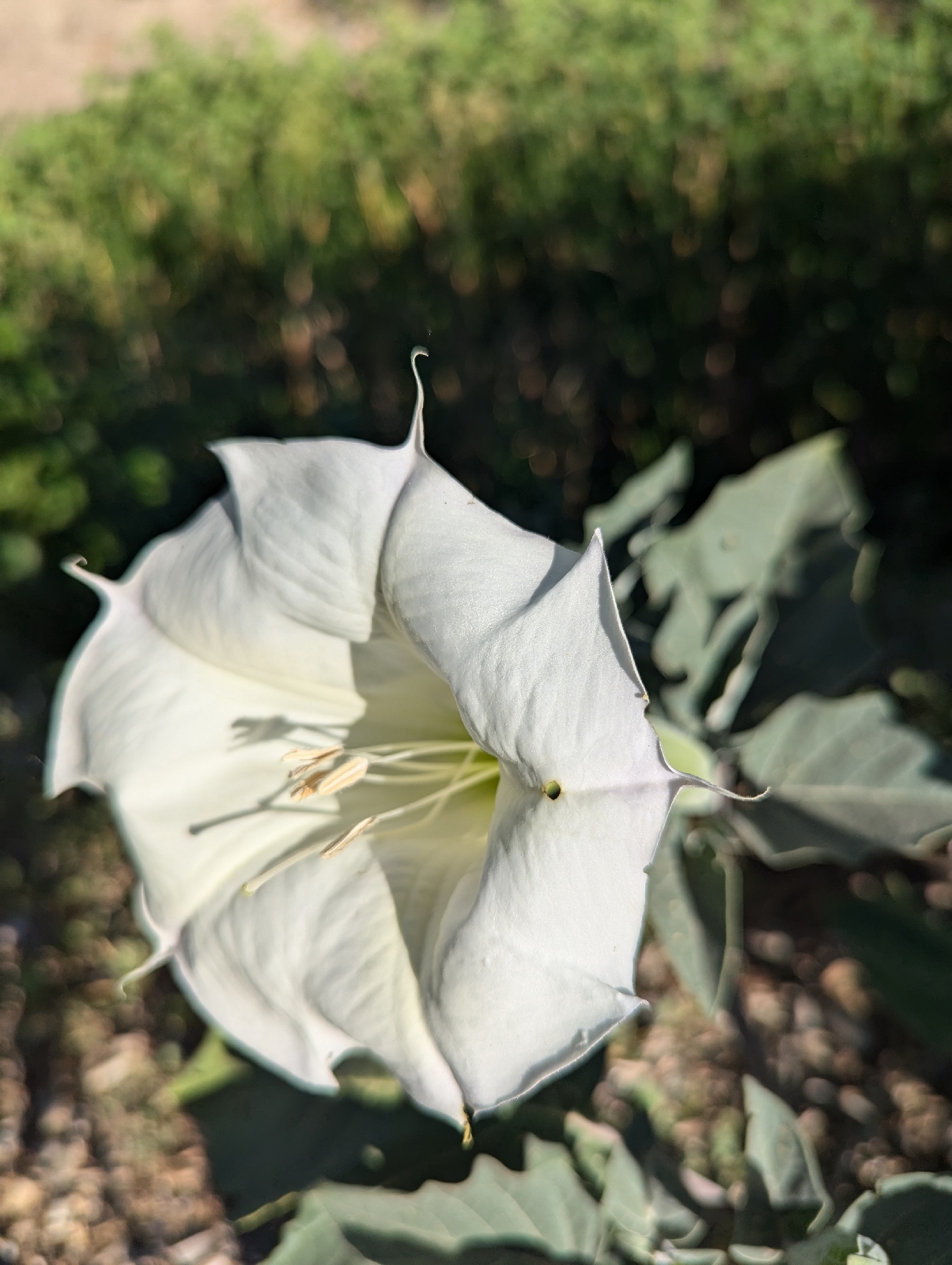
Datura flowers in the summer, and into the fall. These flowers are not likely to be present for too much longer. Most people only care about the mildly poisonous nature of the plant, but it is a fascinating plant that it worth some serious consideration. Literally, as some manage to get a rather dubious hallucinogenic experience from certain preparations of this plant.

garden spiders thrive in the weird, dusty environment created by the ravenna grass by the Corrales river banks. I admit this spider looks fearsome, but also impressively beautiful in this photo. Like all spiders this one is very shy and retreats at all perceived threats. Even if it did bite, the venom is totally innocuous and it does not deserve to be killed for the perceived danger.

This child of the earth is also fearsome looking, but everything about it is designed for a vegetarian lifestyle underground and it is no danger to anyone except maybe a plant root.
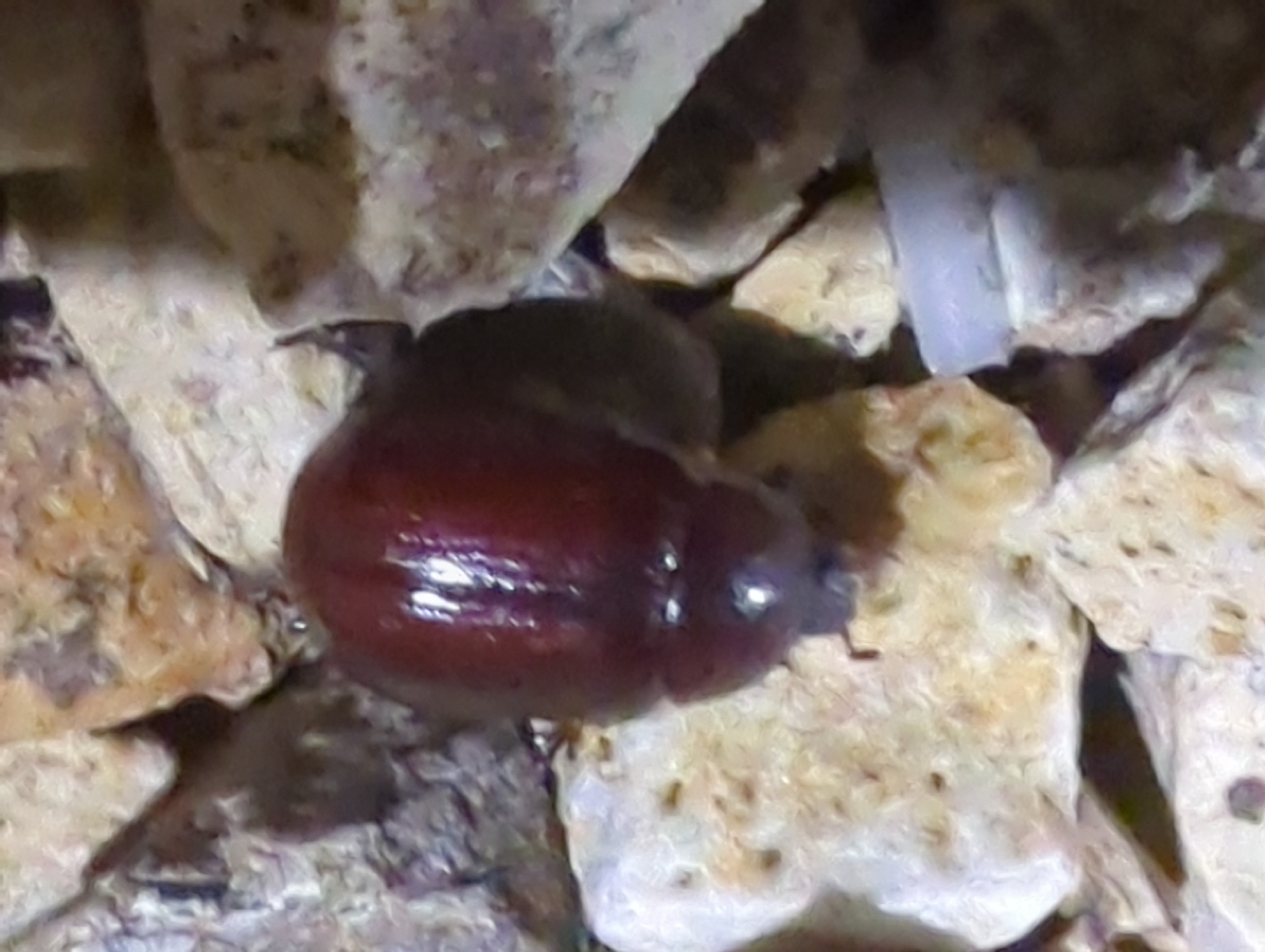
the carrot beetle is quite scary if you are a midwestern farmer. These beetles have adapted to the threat of pesticides by explosive breeding and then migrating away before the expensive pesticide can be applied.

the desert stink bug is very common and impressively understudied. For those who are interested in the noxious defensive chemicals; here is the researched list:
1-nonene (3·2%), 1-undecene (<0·5%), n-hexanal (15·6%), n-heptanal (0·9%), n-octanal (4·5%), trans-2-hexenal (2·0%), trans-2-heptenal (1·5%), trans-2-nonenal (28·6%), trans-2-decenal (3·4%), n-3-nonanone (0·5%), n-1-nonen-3-one (16·8%), methyl-1,4-benzoquinone (22·0%), and 1-hexanol (<0·5%).
Reads like a chemical weapons factory, but in fact is likely just whatever byproduct of metabolism that is smelly and irritating.
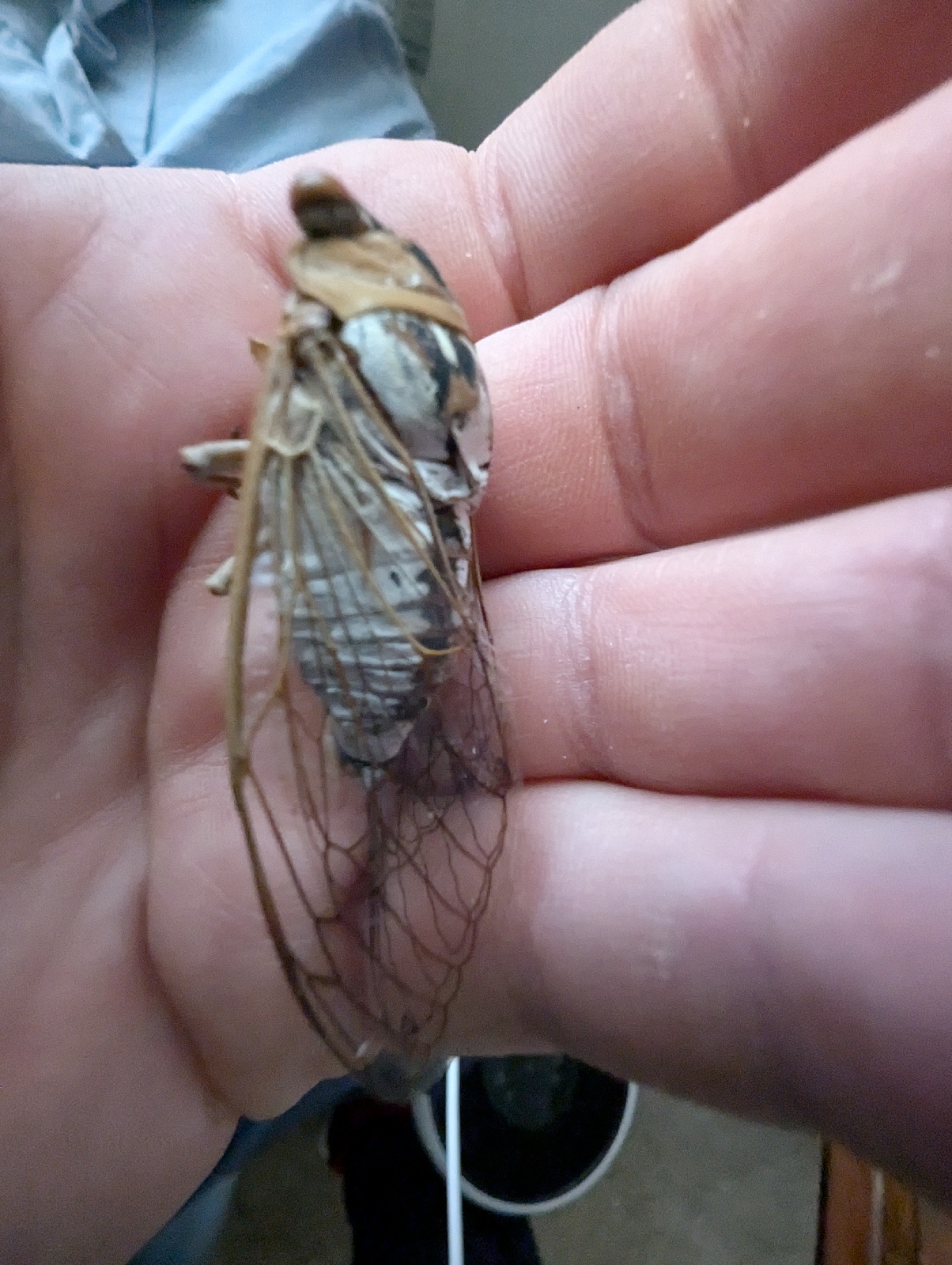
The season for cicadas is finishing. Their shed exoskeletons are still going to be present, hanging from plants and the chitin can last several years, but the adults will have died off, leaving behind small eggs in slits on the bark of trees.

All insects are busy right now in the last throes of activity. These are some species of long horn flower beetles. Most of these species are borers as larva, but most are not destructive. The ones that are, have been recently introduced to north America and it takes a while for a detente to be established with native species as they figure out their niche. This species is Spotted Tylosis.

These insects are present for only a very short period of time. This weird insect only lives as an adult for 1 day, and while scary looking, it is the larva, living in clear, cold streams, that is the fearsome insect predator. This insect also is attracted to the odourant added to natural gas, that probably explains why this one was found far out in the desert, next to a natural gas generator.

The orange sulphur is better known as the alfalfa butterfly and is pretty widespread across North America except for the south eastern US. This in likely because less alfalfa is grown there.

The Arizona sister butterfly is migrating along the Sandia mountains currently. A very colorful butterfly that often stops in muddy fields to imbibe salts and complex proteins in a weird process called puddling.

This rather large moth is called a sweetheart underwing. This species is usually found in the North eastern US but appears here briefly on their way to who knows where. Their rather drab appearance hides the startling underwings that flash a bright pink or red when they fly and serves to disorient possible predators.
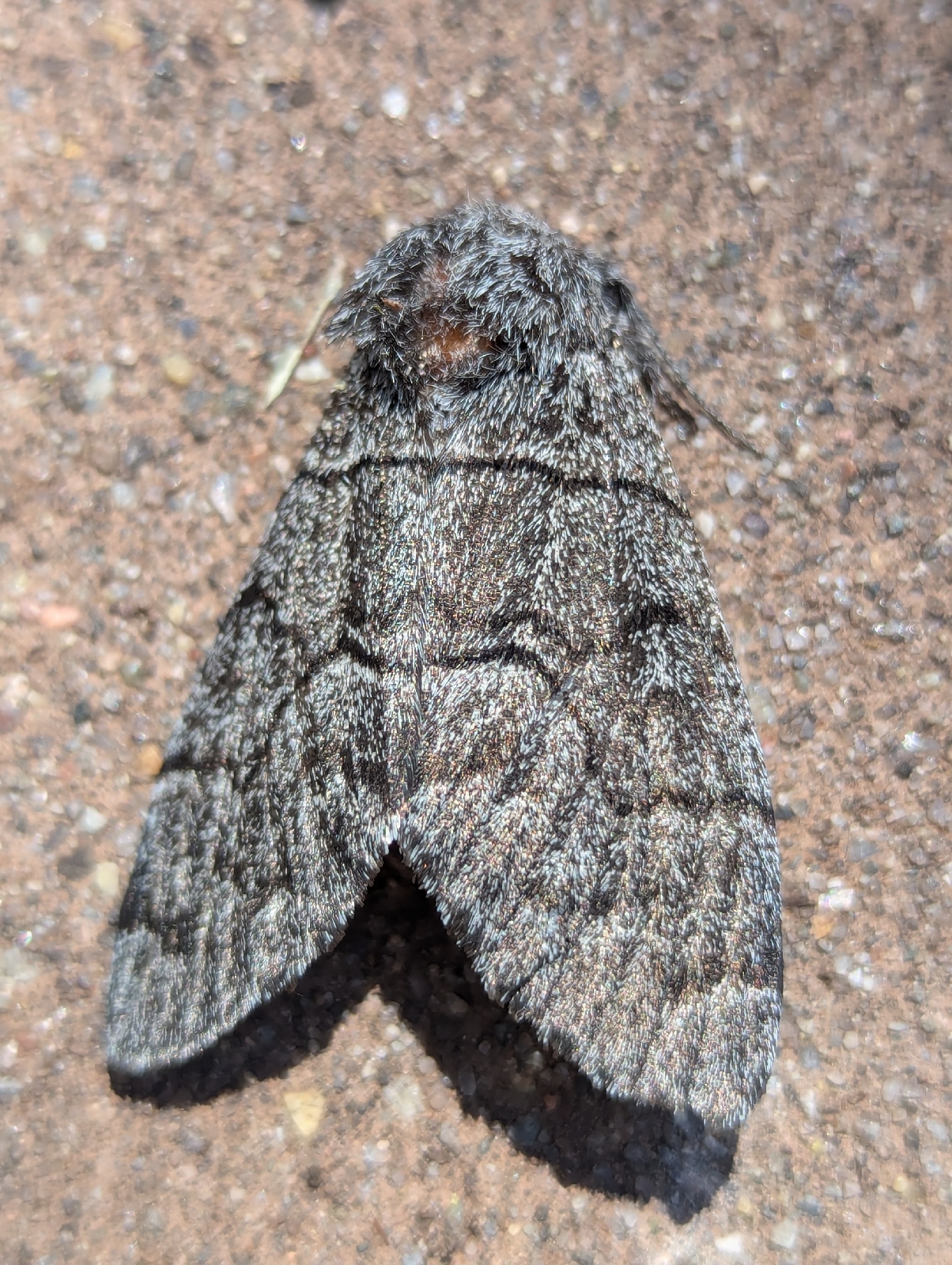
This is also a strange species for New Mexico, the genus is commonly called a winter moth, and the caterpillar phase is apparently slug like, but I have never seen one of those. The thick fur is raised on the thorax to reduce the heat built up by the flight muscles located just below.
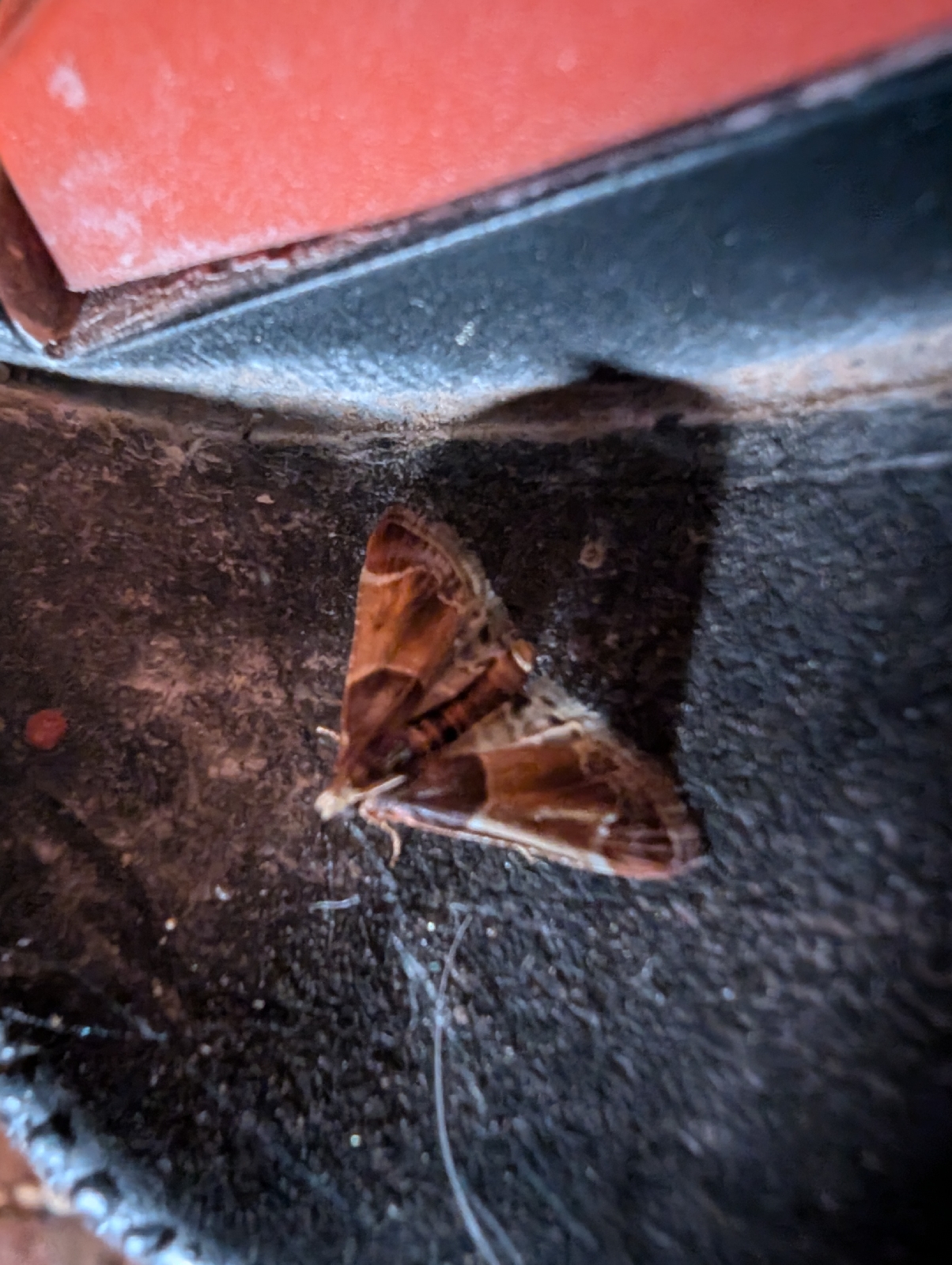
This moth appears briefly each year and pupates in dog food bins kept outside. A meal worm species indicates your dog food is more vegetarian than most people think. Similar species are called pantry moths because they are better at getting indoors, usually carried in as eggs inside food packages.
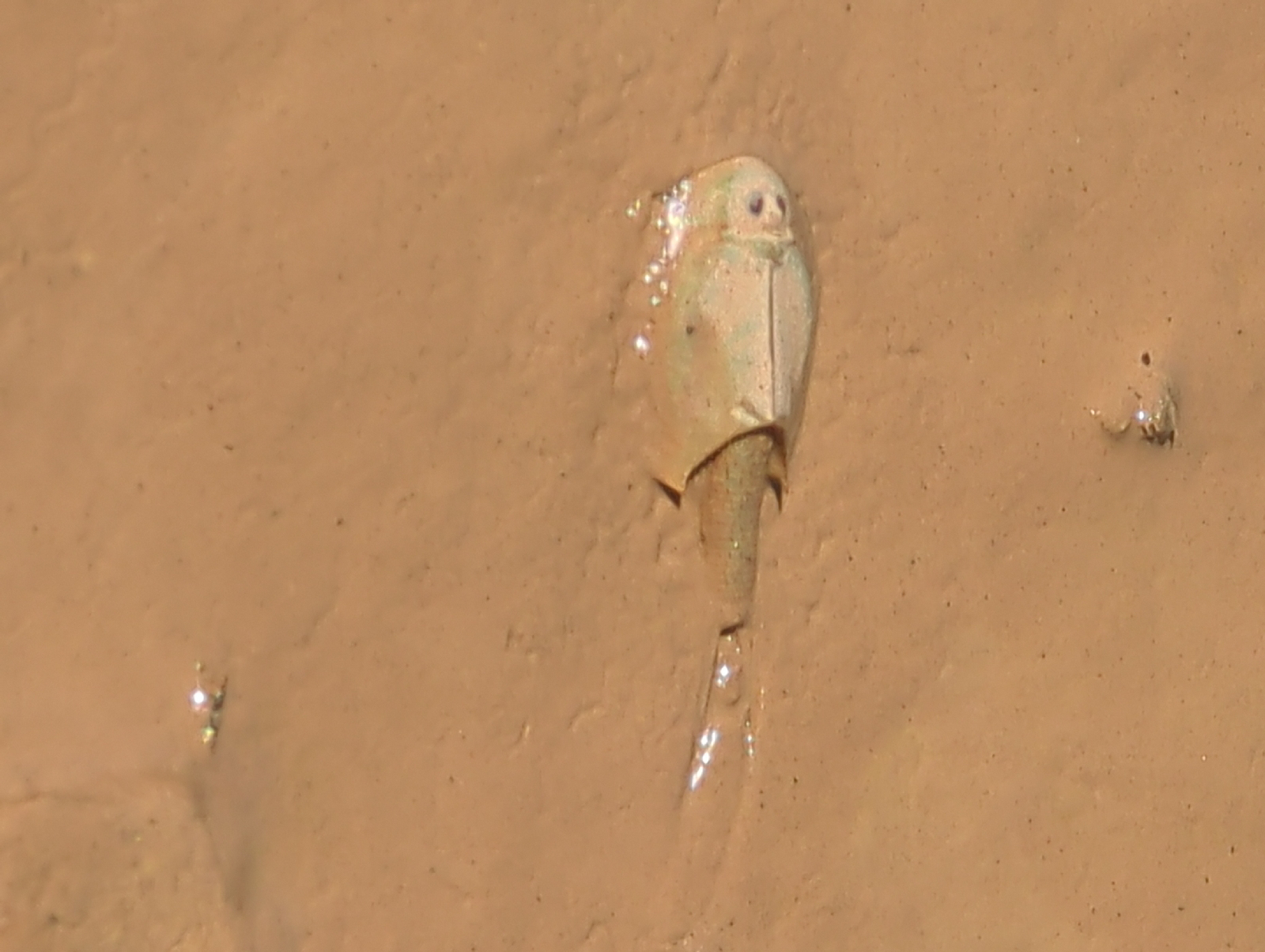
The world outside seems to be insanely hostile and unfavorable to humans. This is really a fallacy brought on by our own lifestyles and points of view. This triops (yes, it has three eyes) has been thriving in desert pools for over 500 million years virtually unchanged because this muddy, UV blasted hot water is the perfect nursery for producing the next generation free of predators and parasites. While it is not ideal to our monkey eyes, we are recent evolutionary upstarts. Having only existed for the last 300,000 years or so, we are in no position to judge.

The high desert is noted for some amazing creatures that seem to exist for only a few weeks each year. This crustacean is called a fairy shrimp and spends most of its life as an undeveloped egg the size of a grain of sand. The genetics of this species helps prove the existence of Pangea 230 million years ago. There used to be a distinct species living in Florida, but it was declared extinct in 2011 when a developer filled in the only known pool they existed in with concrete to create another Florida condo.

This strange creature is a crustacean, not a mollusc and basically looks like a shrimp inside a clam, which is basically what it is. As well as the more common dioecy mating system, these animals can use androdioecy, and selfing hermaphroditism, which is as weird as it sounds.

Coopers hawks are usually know as raptors that hunt small doves and other types of birds. However they have adapted to many food sources over the years. If you look closely this one has lizard in its visible talon. I have seen them eat cicadas, roadrunners, as well as the more common bird species found in the bosque. They specialize in hanging around bird feeders waiting for unwary visitors.

Corrales is host to a large number of hummingbirds this year. Not many people appreciate how these small, feisty birds control bird populations in the bosque. It seems like many birds like starlings, crows and raven are often harassed away from the tree line by these dive bombing perils. Many people are also surprised to find they are here because of small insects, as well as the nectar they use during the arduous migrations back to central America.

Turkey vultures are a rare visitor to Corrales and are the antithesis of the small hummingbirds. They enjoy sunning themselves in the large branches of dead trees. Consummate gliders, they loose all grace when not floating on an air current. Unless gathered in a caravan for migration ( officially a "kettle") they prefer the solitary life. As the days grow colder they can be seen in the dawn warming their bodies in the sun.

These vultures use smell to find carcasses to scavenge. They often use their sight to watch other vultures for behavior that sow they found food first. Dead animals are usually a rare find, so the birds have to be very spread out to search a lot of ground.
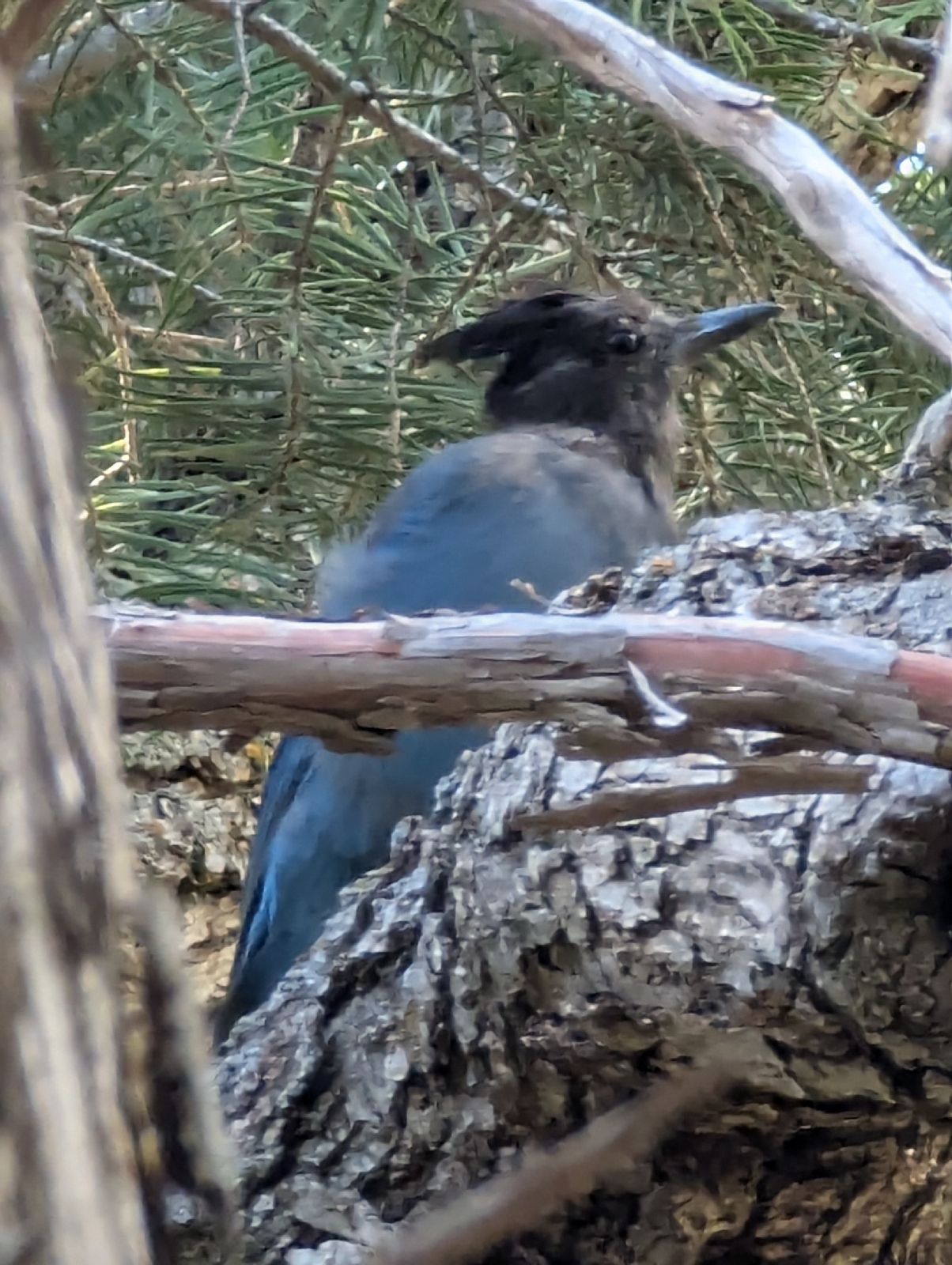
The birds of the forests tend to be much more communicative. Blue jays are notorious for being vocal and bossy as they explore everything and vocalize every concern to the whole forest. They rarely come down from the moutains, but can be seen at feeders that offer peanuts

The desert pools are perfect habitat for many animals including this well disguised ambush predator, a dragonfly. However as the days grow shorter there is not much insect prey that has not already hatched and flown away.

The pools can get very dangerous for any late stge tadpoles and most of those who hang about start to show signs of damage. Tadpole tails are used for mor than swimming, they are also an energy source and a "caudal lure" they sacrifice their tail to stay alive as the faster dragonflies attack what is moving.

Most frogs metamorphose quickly and prevent the ironic fate of being eaten by the very insects they are usually hunting in adulthood. Size matters and these small guys have to learn to blend in quickly if they want to avoid detection.

It helps to be the apex predator in a pond and usually the night is pretty safe for these amphibians who are quite impressively adapted for what should be a completely inhospitable world for a small frog.

Most tadpoles desiccate and dry out, simply due to bad timing. Their corpses feed legions of ants and wasps who require protein to feed their own offspring.

There are many signs of a healthy ecosystem, and one of them is a large number of parasites, like this rather rare species of velvet ant. This wasp species lays eggs in the larva of other insects like ground dwelling bumblebees. It's lifecycle was the inspiration for the "Alien" movie series.

Coyotes visit human areas for many reasons but not usually for the obvious ones. They have an inordinate fondness for fruit and at certain times of the year they gorge on apples and grapes. Even though they appear to be barely able to digest these things.

Strange food choices is a common thing seen in the wild. This woodpecker was raiding a bird nest that had been build in a woodpecker hole. There were many small birds trying to distract it from this grisly purpose and the loud ruckus could be heard throughout the forest.

Reptiles have amazing instict that come built in at birth, but they still have to learn to live in a human's world. Domestic dogs and cats love to chase them and often can catch one. This usually leads to episodes of vomiting due to the high levels of salmonella on their skin.

Most predators, like this coach-whip begin as prey item for many animals. This one was caught by a small raptor, but was released quickly when the meal was interrupted by the photographer.

This baby snapping turtle was crushed by a car as it tried to cross the Corrales road. Vehicles take a very heavy, and mostly hidden toll on local wildlife each year.

Life can be rough for many insects like this running crab spider. People usualy think of spiders as being lords of all they survey but they face many unexpected dangers. This one is doing its best to blend into the background, even contorting it's body.

It wasn't enough, here is the same spider a few minutes later after it was spotted and attacked to become a living larder for the progeny of another parasitoid wasp.
Nature can be quite beautiful and inspiring. or dark and full of perils. We as humans and observers have to accept both points of view and appreciate the value of all in this world we move through for such a brief period of existence.