Translate

Thursday, August 18, 2022

forest


New Mexico has many seasons. Apart from the traditional four, Corrales also has a false seasons. We are currently having a false autumn. If you look closely, you will see some cottonwood leaves beginning to change colors and the mornings are becoming crisper
There is a whole science around leaves changing colors and falling from the tree. Whole blogs about it, too. The yellow of leaves is the skeleton of lignin that is left behind once the proteins and green stuff has broken down and been reabsorbed by the tree.
The river level is decent right now and the bosque is damp and colder. High humidity is allowing mists to form above the water in the early mornings, as the temperatures trend downwards
Plants transpire large amounts of water and those mists can float between the trees. The low angle sunlight filters through the pigments and gives a definite green, spectral air to parts of the bosque forest floor on silent and windless mornings.
The variety of flowers and plants seems to increase as they grow in these perfect conditions. This is a type of nightshade that is different that the typical silver leaf nightshade. This one has several names but often is called glossy nightshade.
The rains have persisted and this gives the desert tadpoles enough time to fully transform into frogs. These tadpoles are big and round with plenty of time and food, they are grazing the algae like small cows.
Native bees have a hard time usually, but are thriving in the huge numbers of aster flowers that dots the carpets of green under the bosque trees
Bigger insects like this sleeping bumblebee have a harder time flying as the night temperatures start to drop. They can often be seen in the morning shaking their flight muscles into action. They are buzz pollen specialists and this method of warming comes easily to them.
This beautiful spider is an orb weaver. They produce huge, strong webs for snaring large prey but are absolutely harmless to humans.
Gardeners are trained to control weeds by constant mowing and herbicides. Grass grows well under such conditions because they adapted to constant grazing pressure. However, weeds are quickly adapting to the pressures those artificial gardens placed on their evolution. Amaranths, like this pigweed, drop their seeds as soon as possible to allow their next generation to be ready to exploit any opportunities that might come up, like an abandoned garden.
Invasive species, like this snail, exploit niches too. Wood louse and snails were imported into the US by Europeans and spread out across the US. Since then, apple snails in the aquarium industry, Chinese mystery snails, and giant African land snails have also become problems in different parts of  the US.
this honey bee is is pollinating ravanna grass flowers. While this is not a usual pollen source, a generalist pollinator like a honeybee will quickly take advantage of a newly dominant flower where it can.
paper wasps are some of the fastest growing species in terms of increased range. They take advantage of human structures to protect their flimsy nests. Here they are living in the end of a access gate. Bad news to anyone foolish enough to try to close it...
Many animals, of course do not do well around humans. The common snappers have had a bad year because so many prey species like crayfish were killed last year by the dry ditches. The average size of the turtles are smaller now as the biggest tried to move to new water sources and only found predators, walls, and roadways. Wildlife today lives in a fishbowl of safe areas surrounded on all sides by things they cannot adapt to. Goldfish bowls is the future of nature if we do not figure out how to share spaces with all animals. One day, we ourselves, will be the ones in a goldfish bowl looking out.

Wednesday, August 10, 2022

sunset

 Most people who want to live in a village have visions of fields covered in flowers, with cute wild animals gamboling, and butterflies dancing in the meadows. Corrales actually does have most of that too. However, there is also a lot more going on that is never noticed. Thankfully, no one lives in a boring, predictable Disney movie, so reality is out there for those who might want to see.

The weeds in a monsoon summer of New Mexico grow wild and thick along the banks and in the fallow farmers fields. Amaranth, goats head, bindweed, and many types of grasses compete for real estate in the hot sun. While these plants can be cut back, they do not stay gone for long.
Tall weeds above waist height conceal many animals in their cool, humid shade. The young toads and lizards are rapidly spreading out from where they were born as they look for space, and insects.
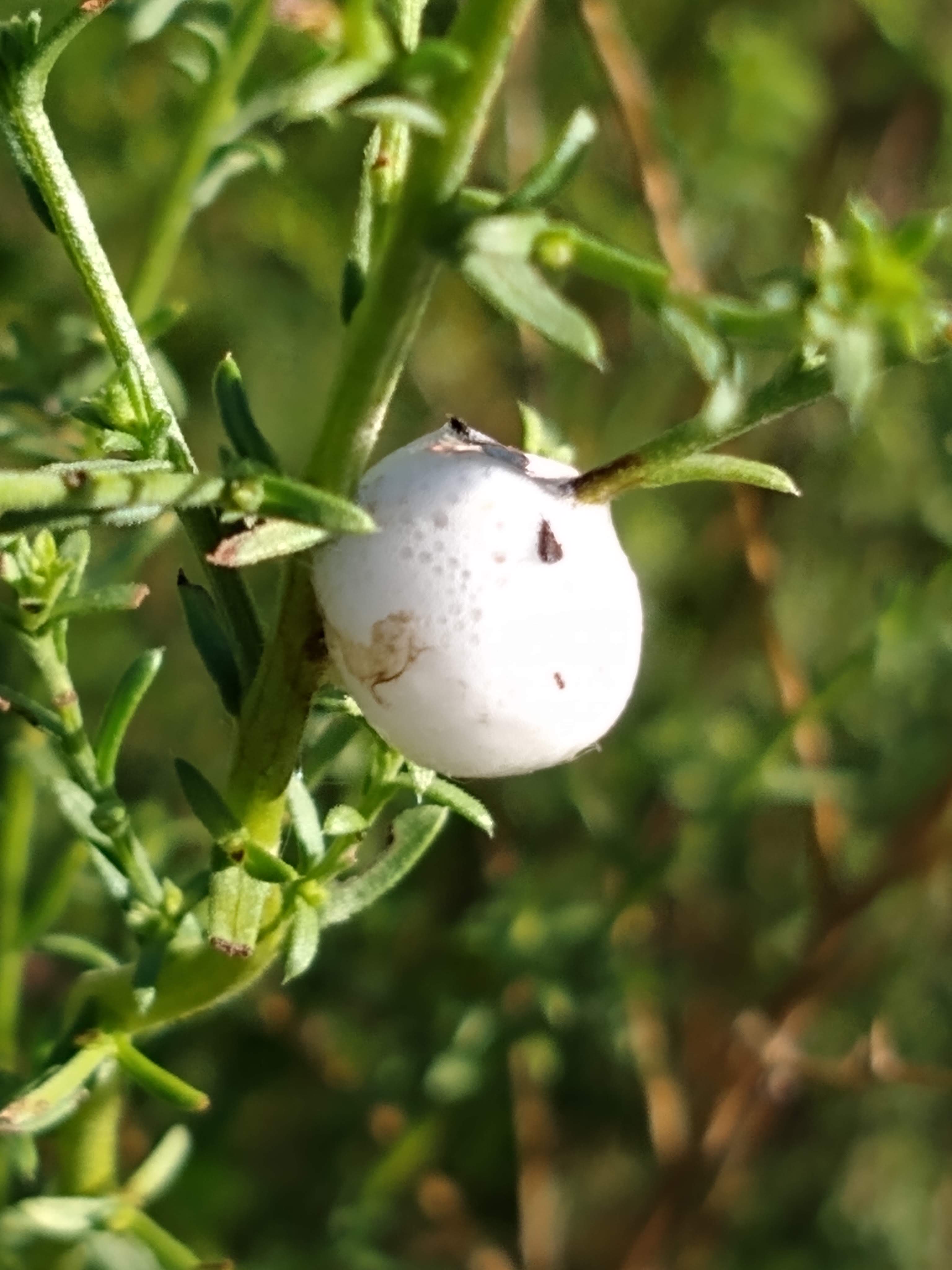
Several insects use plant juices and secretions to produce a coat of stiff foam for protection from the environment and predators. This is termed cuckoo's spit by hikers and usually hides frog hoppers.
Other insects use stiff hairs and tight groups to ward off problems. I think these are the larvae of calligraphy beetles. They look very different than the pretty adults.
Common lore says the bird song stops the day after the first full moon in August. I'm a little skeptical about this, but I keep an open mind. This male grosbeak is part of a pair that has only just now hatched it's first chicks.
Common lore also says spadefoots are active for only 2 weeks of the year in the desert. That certainly wasn't true for this year. No one really knows why they come out of the earth to breed. The temperature has to be >60 at night, no wind, dampness in the air, with open water ponds not more than 1 week old. Some think they smell algae, hear the sound of rain, or the "feel" of lightning. Personally, I believe theyfew  move about when the insects that live in their holes get flushed out by floods and raise a hubbub that other insects pick up. It's just far more noticeable at certain times of the year to those humans that are up at midnight out in the open desert...

A great many spade foot tadpoles have been washed into the new Harvey Jones channel from the sandy soil of the Bajada slopes. They have been trans-located from desert to bosque. Not sure what happens to them, but they do not survive in the woods, too many predators and perils.
Around my house are a great many of these underwing moths, they are pretty large and their caterpillars feed on willows and cottonwoods. When disturbed, they flash red/pink underwings in a dazzle display before flying off erratically. They usually have vanished by October.
Many things die in the bosque, snapping turtles, cicada wasps, and raccoons are often found along trails. Really not sure what happened to this rabbit, it appears partly digested and swallowed partly whole. All the large carnivores could have done this, but my money is on a large cat.
 On Loma Larga there are many instances of this interesting plant. A field dodder is parasitic and flings up roots to snag the stems of roadside weeds. It is studied by biologists who try to unravel how it detects appropriate plants nearby. The patches look like dried straw thrown out the side of a farm truck.
There are many evening primroses along the ditch banks right now. Aa very pretty flower that unlike most botanical medical claims, actually seems to have some science behind it's use by people. The caveat, of course, is that if it worked as well as reported, the whole world would be taking it... Confusingly, primroses and evening primroses are not related. Also there are 650 different evening primrose species alone. Botanists must be nuts, seriously.
This beetle is sucking the juice from a sunflowers, these aster type plants are a lot more juicy than they look at first glance. The flowers support a very diverse number of animals. This is a type of blister beetle called Zonitas bilineata and is not as dangerous as that family name would suggest. Humans love names that categorize something as scary, but the hype rarely lives up to the reality. (But not never).
After the rains comes the fungus. There is a whole world of mold, fungus, and amoeba that is unsubscribed in science. It is an uncomfortable fact that fungus might be a much closer relation to us than to plants. This mass of white threads is actually what fungus looks like. The mushroom part is just a fruiting body designed for reproduction. we no so little about these creatures, simply because they look boring.
Wasps are not boring and are a huge family. Sadly, most people only know the paper wasp that is literally co-evolving to survive with humans. They are practically domesticated at this point, wasp spray notwithstanding. This handsome wasp is serendipitously showing the two spots that give it it's common name; two spotted Scoliid wasp (The scientific name translates as "doubtful", repeated twice Scolia dubia dubia). This insect is far more common east of the Mississippi. They are parasites of scarab beetles just like in the movie "Alien."
Flowers like those on these kochia weeds are not noticeable, but the ragweed pollen they produce will very soon be. With enough exposure, most people will eventually exhibit "seasonal allergies" this summer.
Weeds like kochia, and other amaranths are going to produce a bumper crop of tiny butterflies this fall, like this pygmy blue, as well as skippers.
In spite of earlier concerns, this irrigation season has not been the worst. Here is the outflow of the "middle ditch" where it flows from Cabezon into the clear ditch. The sediment load is impressively heavy from the fast moving water and I often wonder where it is being moved from. This chocolate color is usually caused by clay being removed just below a dam as the river carves a new logarithmic profile according to the rules of gravity.
'It is not those who can inflict the most but those who can endure the most who will conquer" Terence MacSwiney Irish Patriot, Mayor of Cork.
The cottonwood trees of the bosque are impressive for the amount of suffering they can endure and even thrive. They are susceptible to so many parasites, like this popular petiole gall aphid. These aphids live in woody hosts in the winter and plants like London rocket in the summer. Cottonwood trees form protective galls with all sorts of different insect infestations, and also host slime bacteria and fungi. Yet they persist, while the American chestnut is functionally extinct because of two quick fungal blooms (ink disease and chestnut blight) that occurred 120 years ago. Cottonwoods, in some form, will endure.
Tamarisk trees are invasive, but that means nothing to this figeater beetle that is feeding on the pollen and nectar of those minute flowers, along with hosts of other insects and critters. The endangered willow flycatcher needs these trees to reproduce, so where is the tipping point from invasive to beneficial?
This fascinating creature is a fall webworm, a spiny moth caterpillar inside a sack made of threads where it is safe from predators. It actually does little harm to trees but is considered unsightly because of the sack the community makes around some leaves and thus marked for our ire. It is native to North America, but has spread around the world just since the 1940's.
Beauty is a strange thing. The most spectacular sun sets are created from particles from pollution or dirt in the atmosphere. The delicate and beneficial pink flowers of a tamarisk tree are overlooked because the species is considered some sort of foreign devil. Imperfections from invaders, like insects or mistletoe, on a cottonwood could mark it for removal. Wasps are all labelled as vicious, fungus is overlooked for dull. Toads, parasites, and caterpillars are labelled ugly by definition. Nothing labelled a weed can be appreciated without the threat of a gardener's excommunication. Maybe we do live in a Disney movie of dancing fawns and people who talk to animals. If so, we would miss true magic that exists at all times of the year, all around us, just outside these windows and screens we peer into for so long.

Saturday, July 30, 2022

Busy

T
"Take pride that even though the rest of the world may disagree, you still believe it to be a beautiful place."              
Kurt Vonnegut.
 
 Studying nature is awesome at asking what is it that is important in your life. Is it beauty? Rarity? Developing potential? Is remembering the past, being in the present, or planning for the future your priority? How will we cope if it turns out we need to do all of it?
Heidi's raspberry patch is not being used this year. No kids running around picking raspberries and blackberries. Now the field has head high grasses and all sorts of exotic creatures are thriving, completely protected and hidden from our view. Reports from California say the blackberry harvest was shortened to less than a week from a typical three weeks, so I can't really blame them for management decisions. Personally, I feel watering the weeds yields hidden secrets in nature we have forgotten.
 
 This poor picture of a Coopers hawk is rubbish, but shows a great view of those broad stripes on the tail that define this common bird. These hawks thrive because they are adapted to hunting near to bird feeders. Most other hawks are slowly being edged out by human development because they do not benefit from humans.

This bunting is watching warily as we get too close to her nest. Nesting close to a bird feeder is not a great plan for success for this species, as the increased traffic also attracts predators and nest robbers, reducing reproductive success.Those lessons that actually stick with us, we learn most often by failing. At least, in nature it does.
This bird is using a wall light as a roost in an abandoned niche of an academic building.  Would seem like a bad choice, but it is completely undisturbed and the light attracts insects at night. Couldn't have been better designed for this species.

Fledglings are growing. The drop in temperature this week means bird nesting behaviors are very important. This nest needs a mom to regulate temperature and moisture. This bird's nest is a bit further south than it should be according to the developed range maps, as animals continue to adapt to a changing world.
Most people do not look closely at ants. The one's that do, are usually trying to kill them. Ants can also teach us a lot. These are acrobat ants because they have a pointed "gaster" that they can point in many directions. They hunt wasps by scent and attack using venom. They are often seen carrying large insects back to their nests along scent mediated trails. These are drinking honeydew from aphid "farms". The lesson that they teach? Well, that's up to you. They are not dangerous, or destructive to humans. Most information about them online comes from pest control companies...
Long necked flowers like this ipomopsis are prefect for large moths and hummingbirds. The white color is attractive to moths in the evenings. The fact that this arrangement works so perfectly between two unconnected species, and is completely a lucky interaction between mutations, chance, and time, causes some philosophical headaches...
This is a plant that is a non photosynthesizing parasite is called broomrape. Basically mistletoe on roots instead of branches. The how's and why's of a "predator" plant are very vague in the literature. I have noticed that, in general. The internet and biological science are hazy at any question that starts with "how" and "why"... The other interesting parasitic plant, dodders, are out in force along Loma Larga ditches.
Metallic flea beetles have flash mobs on selected plants where they mate and eat in a frenzy before predators find them. Most of these beetles can only be separated to the human eye by the aedeagus. The beetles themselves use pheromones and smell. The term "flea" is because they do jump to avoid danger.
 Metallic blue is a popular beetle color. Notice the bright legs on this jewel beetle Lampetis drummondi. This family of beetles has some of the most species in it, over 15,500 different described species.

This robber fly is pretending to be a bumblebee, which is it's preferred prey. It obviously isn't one, because it held still long enough for me to take a picture... it looks like a fake teddy bear but is quite dangerous to large flying insects.
This actual bumblebee held still only because it was raining and the insect was taking a nap on some lavender, one of it's favorite flowers.

Monsoon rains are good for bringing out juvenile reptiles like this baby lizard. Many people also report the predators, like coachwhips and hognose snakes are also out, chasing these juveniles down.
This spadefoot was a tadpole a week ago. It is amazing how much they can survive. Not only in the inhospitable desert terrain, but this temporary puddle is in a parking lot in Rio Rancho city center. This water is contaminated with motor oil, lead, and tire dust. These frogs will continue to survive as long as there are no fish and the water puddle lasts 2 weeks.
Unusually, this hornworm is eating an elm tree. At this stage of development these caterpillar can strip a tomato plant in one night. While it looks like it has many legs, only the three pairs at the front are "true". Evolution can have a sense of humor sometimes.
The colors on many of the butterflies are pretty spectacular. This is another purple hairstreak. There are many species out dancing in the weeds along the banks right now. The eggs may survive the coming mowing to repeat the cycle. Weeds are a completely vital part of the beauty of the natural world. The fact that weeds persist, in spite of all human efforts to remove them, is a genuinely heart warming part of nature that links our past and future to our critical present. I for one love the fact that I do not know how everything works. Not being in control, and yet the world continues to work (mostly) fine is quite liberating for the soul.