"Every calculation based on experience elsewhere, fails in New Mexico" - Lew A. Wallace
A lot of the general ideas of biology seem to come from experiences in the North East of the US. Many things we have learnt about rivers do not apply to New Mexico. Even thought the rules of physics apply equally, the murky brown silt that winds randomly through the soft soil leaving uprooted trees and pools throughout the floodplains are nothing like the lush green banks of grass envisioned in a reading of Lew Wallace's autobiography. The river level bucks up and down through the seasons as well. Floods and droughts confound our predictions every year. In response, humans invented dams, concrete channels and buried pipes. But what we gained in control we lost in other ways. Lew Wallace had a great appreciation of an area called the Grand Kankakee Marsh, which is now on the verge of being eliminated. Corrales is well on its way to a similar fate.
“The smallest bird cannot light upon the greatest tree without sending a shock to its most distant fiber.” - Lew Wallace
Great blue herons use the isolated pools as the river recedes to feed. They are solitary hunters and have preferred locations to perch. They are not too fond of distractions, either.
"There the lake, cool and clear rippling but a few feet under the surface, and helping the trees to their long life in old age" - Lew Wallace
The wetlands of Corrales are still there, just below our feet, usually anywhere from a few to tens of feet. In most areas of Corrales a topsoil has been brought in to place under buildings. This is used by builders to prevent subsidence. It is impervious to water and compacted to be free of tree roots. Even though we live in a valley, our houses all rest on shallow plinths. The cranes and turkeys are attracted to Corrales for the fields and food, usually placed there on purpose to attract them. They cannot wade in flooded fields during the winter and seem to prefer human creates environments, if they are quiet.
"Better death in the
canal, however dreadful, than death in the temples,—for the soul’s
rest, better!" Lew Wallace.
Wood ducks don't usually like to be in groups. They are not like mallards and seem to place a premium on privacy. They will gather on the Rio Grande however. Many eyes provide the best safety during feeding and courtship.
" While birds of calm sit brooding on the charmed wave" - Milton.
While it does not seem like nesting season, this gull sure looks like it is on a nest. However, you should bear in mind that gulls are usually nest in groups, and that the season is also wrong for nesting. Most likely this bird is just resting mid way into it's migration.
Ducks will visit most areas of open waters. Dabbling ducks like this one mostly focus on insects and plant roots found along the edges of permanent water sources. This requires a very inquisitive and bold disposition, which is likely why these birds adapt so quickly to bread handouts from obliging humans.
"Those close by looked at the gift, and saw, for the first
time, that it was not the crown, but the crest of a chief or cacique.
Then they knew that the trial was merely to make more public the honors
designed." - Lew Wallace.
Blue jays prefer our state's high altitude pine forests, where they can rummage though the duff of the forest floor for pinon nuts, acorns and pupating insects. Like the towhee found in the bosque, this lifestyle seems to favor the bold. They sometimes come into the bosque looking for peanuts in the bird feeders.
"His features were gracefully moulded, and
he would have been handsome but that his complexion was deepened by
black, frowning eyebrows." - Lew Wallace.
The thick and chiselled bill of this large black bird identifies it as a raven. Crows and ravens are as different as humans and neanderthals, but can be hard to tell apart. The best description I have found is that if it's a black bird with a bill, then its a crow. If it is a massive bill with a bird attached, then it's a raven.
"Apprehension always paints in black.
" - Lew Wallace.
Crows have adapted well to human activities, like many animals. However, they also maintain a high level of independence. They can often be seen flying above Corrales this time of year.
"they went by in haste; eager, anxious, crowding, all to behold one poor Nazarene die, a felon between felons" - Lew Wallace.
Crows are attracted to more than just food. They congregate anywhere there is anything that interests other crows. This small group appears to be interested in spoiled meat that was thrown out in an area known for vagrancy.
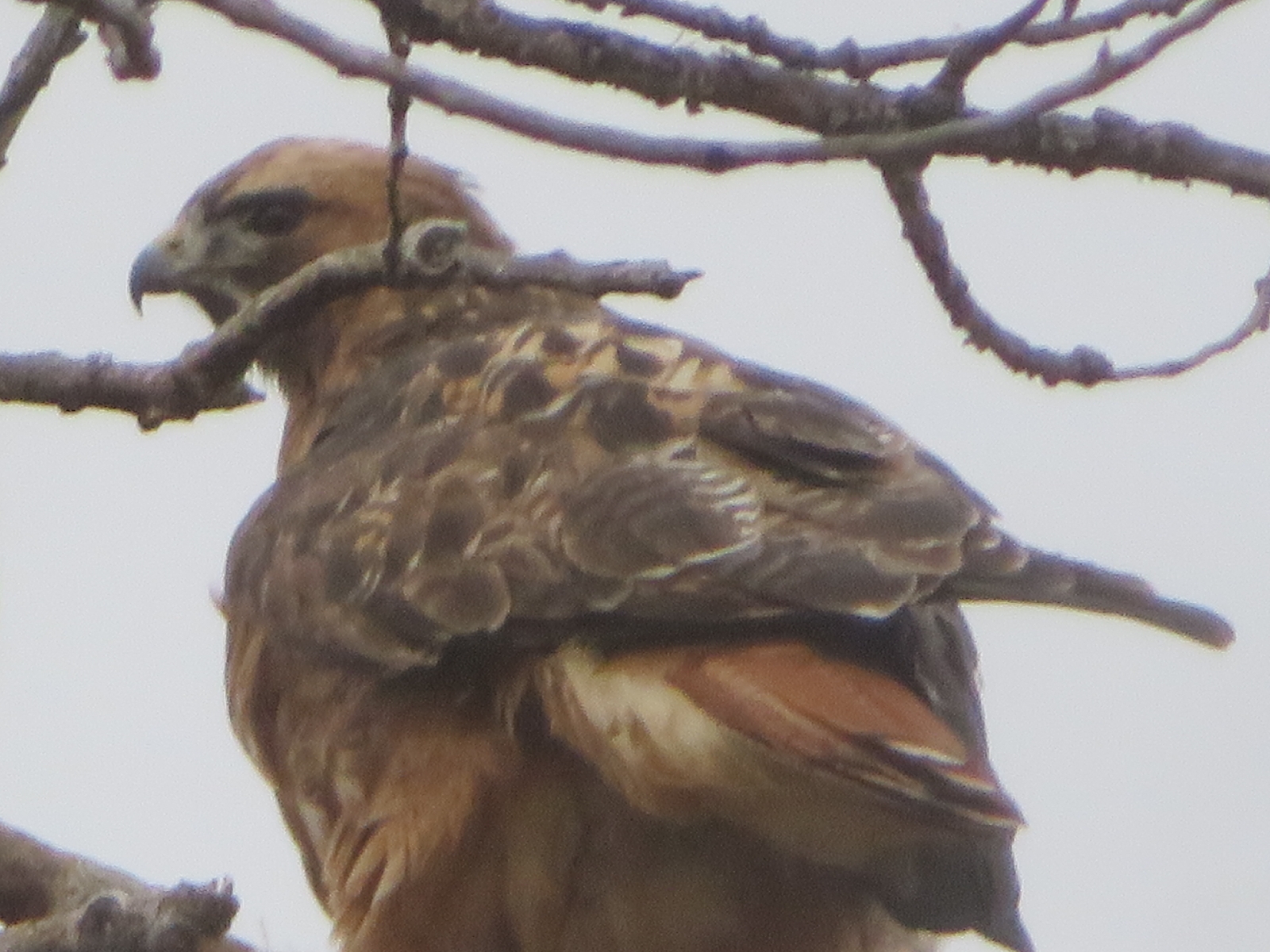
"Waiting in ambush was by no means new to him. He was not in the least troubled by impatience. To be sure, he would have felt more comfortable with a piece of bread and a cup of water, yet deprivations of the kind were within expectations"" - Lew Wallace
The presence of raptors profoundly changes the ecology of the bosque, and the dance between the those hunting and the hunted in very complex. raptors like this red tailed hawk don't scavenge like the crows, but actively ambush small mammals. This style of eating calls for patience and introspection.
"I remember how more than Acadian the view appeared, and how like profanation it would be to spoil it with a battle" - Lew Wallace
Prairie dogs thrive in open fields but they are dependent on their burrows and often run into trouble in marshy areas. Their use of sentries are a great preventive against aerial attack and they seem fond of existing close to roadways, which messes with the meso-predator hunting strategies in an area. The activity of eat-and-be-eaten can be intense.
"And thou shalt say when I can help thee best, and prompt the mode by labor, life, or death indifferent" - Lew Wallace
This picture shows an interesting story. A fresh rabbit kill partially covered by leaves until nightfall is a quintessentially cougar style of hunting. This was on a pretty busy section of trail. To my mind it shows how little we have to fear from the large cats. They are the ultimate ninjas and choose to watch from the shadows.
"yea, the mere listening—would suffice, if told in the
right ears, to send us both straightway to the tigers." - Lew Wallace.
Deer are strongly drawn to areas around human houses now. The grasses are growing in the newly cleared area where constant leaf removal and gardening, along with few predators, creates the perfect environment for their style of browsing.
""Ho now! Hood the hawks, and leash the whimpering hounds. The day is done."" - Lew Wallace.
The end of the hunting season is approaching in Angelfire. The antler-free females graze on the fields of the golf course most evenings at sunset. The males rut and keep constantly on the move in the heaviest brush to avoid hunters, but the females behave the exact opposite.
""These, with other yells of like import, broke in upon the hosannas of the part of the multitude too far removed to see and understand the cause of the interruption"" - Lew Wallace
Chipmunks in the alpine forests are very vocal, far more than those in the western highlands. Partly they broadcast warnings, but a great part are also territorial disputes.
"" The violence with which he denounced me was the chief argument in his favor" - Lew Wallace.
Aberts squirrels are much more confrontational, after all they have limited food stores to protect and the forests can get quite crowded. Getting scolded by a squirrel seems to almost be the rite of passage when walking in a pinon forest in the fall.
"“His beard and hair are very white. They have always been so.”" - Lew Wallace.
This very common plant is commonly know a pussytoes and is often cultivated in dry areas because of its velvety leaves. It is also a common plant is dry cold areas. The silvery hairs on the surface are a common plant adaptation known by many terms, depending on the context, but a common one is pubescence.
"“The long, long cycles—two,—four,—eight—pass away, and I see the
tribes newly risen, like the trodden grass" - Lew Wallace.
Botanists often tie themselves up in knots trying to prepare for climate change In spite of the billions of lines of print on the subject, humanity has very little understanding of the dynamics of our sylvan future. Trends come and go as the various parties vie for dominance in our thinking. Even the most simple observation of forests can show that more junipers are now growing where they did not before.
"“Consider the Lichen. Lichens are just about the hardiest visible organisms on Earth, but the least ambitious.”
―
Bill Bryson
Biology and botany in particular is rapidly trying to figure out why it did not study the interactions between fungi and tree roots before now, The needle of public opinion has swung wildly from bad to good, and back again. Of course, the answer is more nuanced than that, especially as the benefit is nutrient cycling for the whole ecosystem, rather than the narrow view of just the plants in your garden.. The symbiosis involved in tree lichen is even more cryptic. Sadly, the functional focus of modern science means it takes a crisis before interest and resources are focused on a problem. Lichen is just not viewed as useful.
"In the shade of a ceiba tree he stopped, and
said, “There is a service you might do me, that lies nearer my heart
than any other.” - Lew Wallace
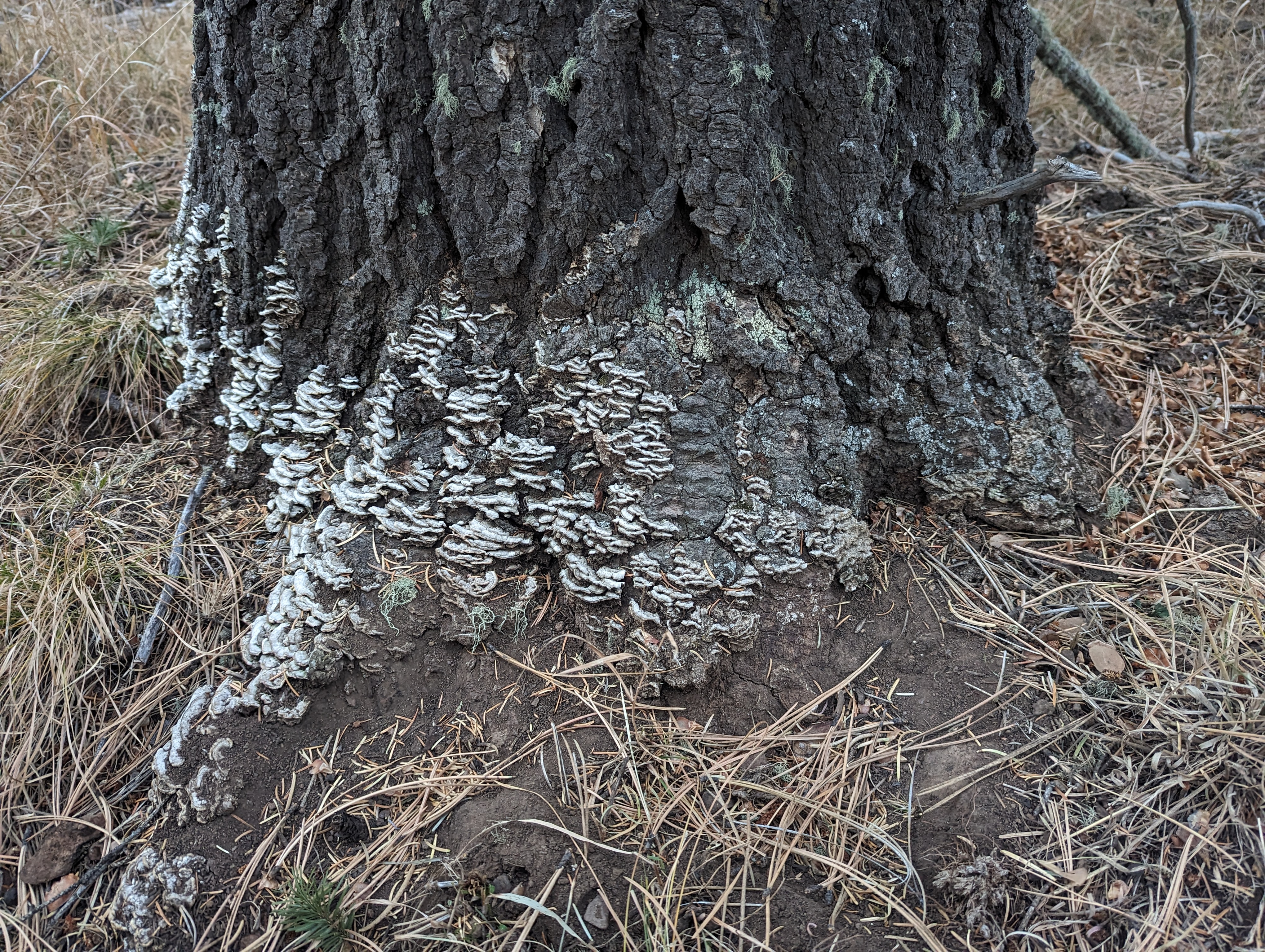
Many pine trees have shelf fungus growing on the living trunks, particularly in the autumn and fall. Most trees have fungus threads growing on some part of the trunk. When the fruiting body, or "conk" is visible, this makes it easy for an arborist to use them as a reason to need a tree felled. But it is likely fungi that feed on the wood directly is also in a mutual relationship, along with the valuable threads working in the earth to trade nutrients through the roots. This teamwork won't be understood as long as its visual presence is used to justify tree felling rather than fungal growth. Even parasites are a sign of a healthy and thriving ecosystem.
"Sitting in the lake, she shines lustrously as a star; and
though in a valley of gardens, she is like a great tree shadowing in a
desert. But the ravager comes, and the tree shall be felled, and the
star go out darkling forever." - Lew Wallace
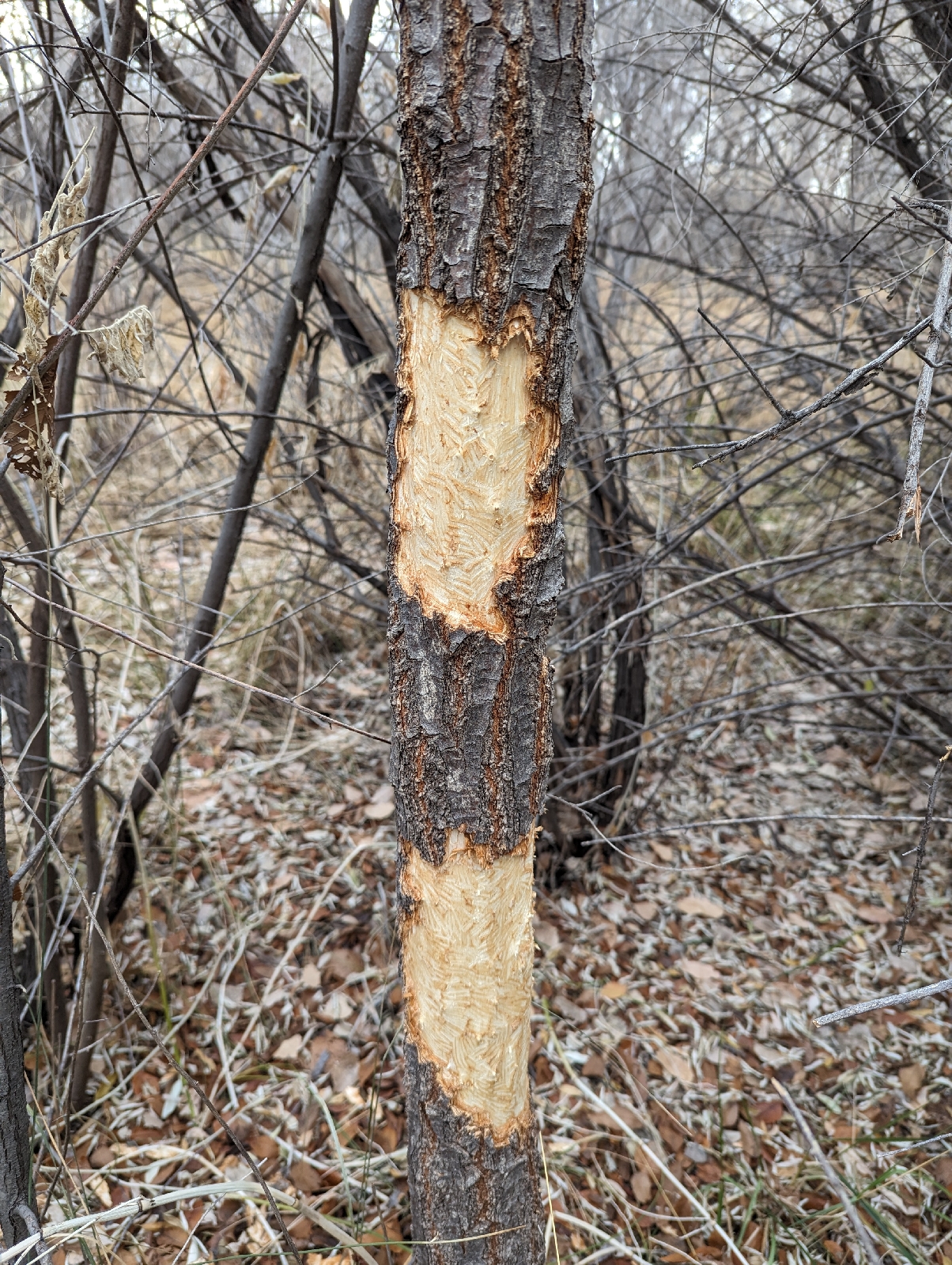
Fallen trees are enough of a problem that we have a whole industry devoted to removing them. The industry of growing them seems so much smaller. The actual process is different in a city than in a national forest. It is worth a moment to think of all the ways different people relate to trees. Tree hugging, carbon sinks, fireplaces, log cabins, ecosystems, shade structures, parks, climate control... Either growing them or removing them, humans spend a lot of effort relating to these organisms in a myriad of ways.
"The
path led into a grove of cedar and wild orange-trees, interspersed with
ceibas, the true kings of the forests of New Mexico" - Lew Wallace
A lot of twaddle has been written about New Mexico and its trees, but there is room for a little romanticism from time to time. Cedar and juniper trees are often mixed up when east coast travelers come to New Mexico and look for what is familiar. Lew Wallace might have written a little about ecology, but his interests were far more related to hunting and fishing than to botanical accuracy. Of course, the boundaries of New Mexico were different then. Still the plant species quoted here grows in Central South America.
" It was the unspeakable joy of souls on the shores of the river of life, resting with the redeemed in God's presence" - Lew Wallace.
The level of the river is very variable, even with dams and canals to control flows by human means. It is strange how much people who live in Albuquerque have a blind spot for our river. The flow is 100% human controlled and planned. We have obligations to Texas, and federal protections. Ephemeral backwater pools like this one are critical to the unique bosque ecology. There are extensive measurement gages and it can be illuminating to see how the level fluctuates over time.
"Strangely enough, it enables us, among other things, to merge our identity into theirs often so completely that their sorrows and their delights become our own." - Lew Wallace.
Insects and trees are very intimately connected. Many insects are specific to only certain types of trees. Unfortunately names can cause problems. This is a native species of moth that is still active in winter. Sadly it is named a "winter moth" which is the same name given to a European species of moth that has been invasive in the US since 1990's. the two species hold not be confused, not all immigrants are welcomed equally.
"“We pray you not to think ill of your slaves if we say that the verses
which come unbidden are the best; no song of the bird’s so beautiful as
the one it sings when its heart is full.”" - Lew Wallace.
This daddy long legs is part of a growing list of animals known as a "Synanthrope" the distinction is a rather silly one. An animal that relies on humans either for food, shelter, or to migrate, but is not domesticated. This distinction is important to people as a population, I think on this often as my gaze turns to my hounds sleeping under the table, who domesticated who?
Lew Wallace's writings, especially "Ben-Hur" was, in part, an exploration of respect for all people and compassion. It is ironic how this book was finished during his tenure as governor with the Lincoln county wars and the bizarre double crossing of Billy the kid, which doesn't get as much press.
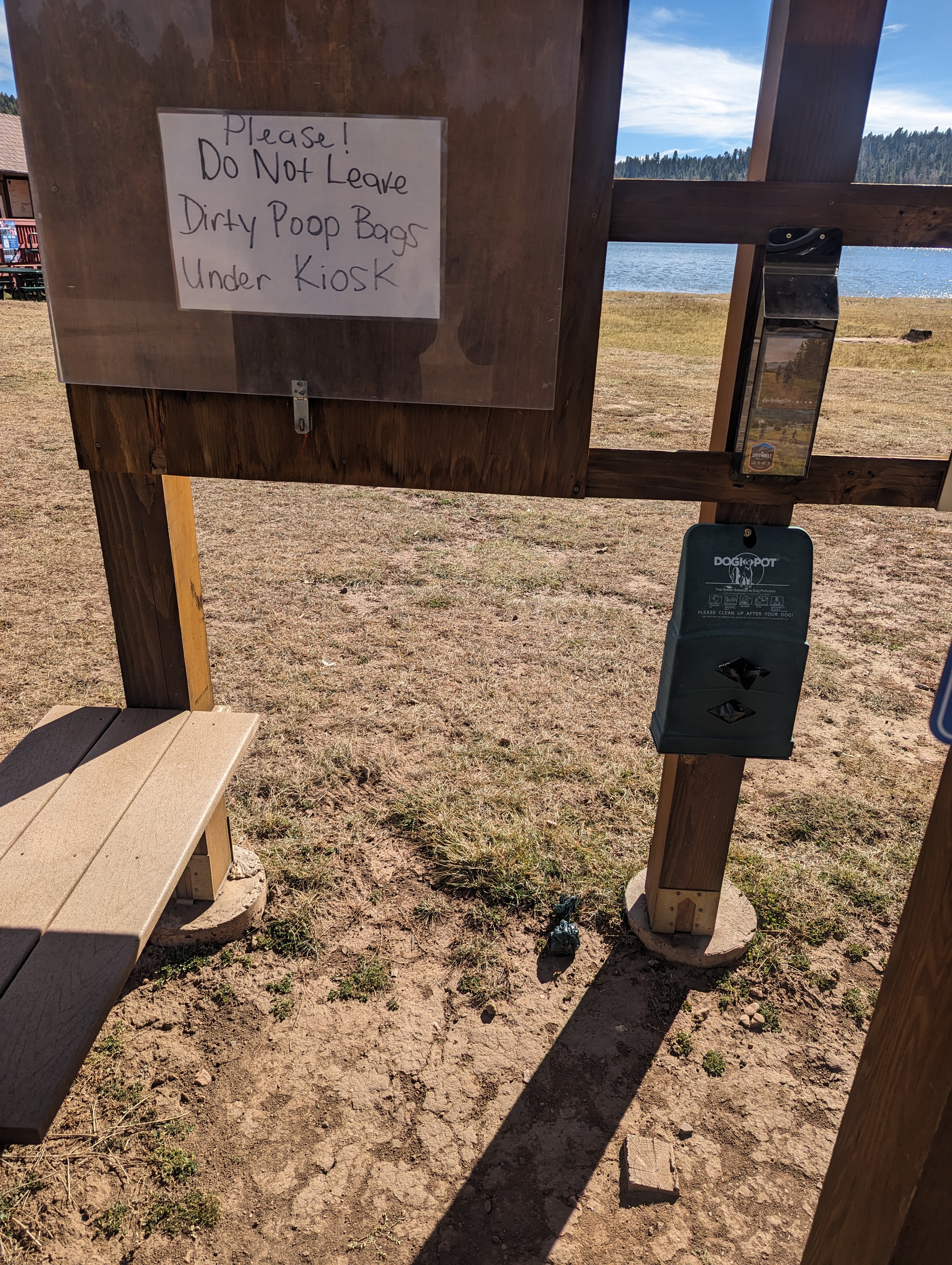
Forgiveness doesn't always have to be a grand concept. We face a testing of faith every day in the bosque and seeing dog poop bags left on the ground for others to pick up. A suggestion sign is usually seen as a challenge. While it is amusing to see other people grind their teeth over such minor infractions, it nevertheless remains a fact that wetland wilderness is vanishing rapidly under our very noses (or feet). Lew Wallace and his surviving museum in Indiana discusses this obliquely.