Translate

Wednesday, October 12, 2022

Forest

 While many people are accused of not seeing the forest for the trees, a forest is a lot more than just its trees. All the animals, the soil and even the air are all different in a forest and all are important

Humans are surprisingly good at removing trees, and forests. There are many machines built specifically for this purpose. This giant grader maintains the dirt roads on the top of the levee in the Corrales Preserve and removes some of the plant roots that undermine the structure. The relentless pounding of our feet compacts the fine clay into an impermeable, waterproof surface. The sheer numbers of users of the bosque defy belief. Everyone is seekin gaccess to the natural beauty. Some use very unusual modes of transportation, too.
It is not easy for 166 tons of metal, diesel and sand to be delicate. On the whole, the machine operators are amazingly precise. However, some damage was done to the end of the boy scout bridge this year. Apparently the boy scouts also built a temporary bridge over the Rio Grande in 1985 within 2 hours that spanned 152 feet using 150 Boy scouts, a few leaders, and doanted eight foot long pine logs.
 This bridge damage is unlikely to be repaired anytime soon, however.  Only a few winters will be enough to rot through these boards through. Wood is quite  a precious resource now, but access to the forest is even more so.

Wood ducks rely on dense undergrowth to feel safe from walkers. They pair up during the winter, with the vivid males staying very close to the cryptic female (can you see her in the picure, she's in front of the male). Thick branches help them feel safe from attack and they will keep hiding for a month or so until they feel safer in this area.

Flickers are usually very good at getting noticed with piercing shrieks and constant movement. It is less appreciated by most people that they can hide well when needed. The new arrivals are usually unsure until their place in the hierarchy of the treetops until a "pecking order" has been established. This is done by near constant squabbling and shrieking every morning.
As the trees lose their leaves, the nature of the forest changes. By the river sides in Corrales the difference in the nature of the forest changes slowly, and not dramatic. In places with a high density of maples, like in more mountainous areas in the north of the state, the color change in the autumn is pretty spectacular and abrupt. This maple leaf is from Fourth of July canyon, a place pretty well known for the dramatic color changes in the fall.
There are many birds that thrive well in the conditions of the Corrales bosque. Doves are here year round and seem very comfortable with both humans and the natural predators found here. They are always in a group for protection, and very fast fliers when needed.

Robins will be in our forest for the winter. They are generalist feeders that are good at adjusting quickly to current conditions. They adapt to almost anything around them, especially humans. Their Latin name is Turdus Migratorius and that name describes them very aptly.

This phoebe and other flycatchers like it, are usually much more solitary and quiet. They spend a lot of time right over the water catching small winged insects. When they squabble it is usually silent, but more physical.
The hunter's moon is a weird misnomer. In the autumn, this bright moon at night encourages elk to feed in the meadows for longer and this makes human hunting easier. In the bosque, the predators are often out hunting more on windy or rainy, dark nights when their prey have a much harder time hearing and seeing them. On bright, still, full moon nights, most hunters stay home.
Birds are feasting in the bosque because many insects are easy to catch in the cold and damp mornings. It is unusual to be able to pick up insects like this cabbage white. This butterfly, though, is much more cold tolerant than other butterfly species.
This owlet butterfly is another genus of the brush footed butterfly family. They appear to have only four legs because the first set have evolved into small "brushes."

I have only just found out about the weird tree cricket insects. They are a cricket species. The males entice females to mate using a glandular secretion from their bodies as a snack incentive. The chirping is usually much quieter that the field crickets, so some species create a megaphone from leaves. One particular species can be used as a thermometer "Dolbear's law"

Field crickets are amazingly versatile.They live anywhere and will eat anything.This one was part of a group eating the bindings of the books in the tiny free library on Andrew's Lane. They are so easy to raise that people are looking to replace cattle ranching with cricket ranching to feed the world. Because they are so simple to keep, we know a lot about this species.

People who study fungi will talk forever about how important fungi are to humans. Indeed, we are more closely related to these mycelium threads that we are to plants. The fruiting body is the mushroom, which has quite a lot of myths associated with them. This picture  shows most of the typical parts of a standard model mushroom.
The jelly fungus is a little more interesting. While most in this group are not poisonous, most do not exactly taste great. This species from fourth of July Canyon is reported to be gelatinous and tasteless. But I would never try any mushroom I hadn't bought from a store.
This fungus is related to the common puffballs and uses its fruit body to blow the spores into the air. The "petals" peel open to allow the body to rise above the leaf litter so the spores can travel further in the damp air.
The bosque has a  small collection of new mushrooms from the wet weather we have had. These organisms are just about the only thing that will digest the huge amounts of fallen wood we have accumulated.
Dog vomit fungus is very common at certain times of the year. This is a dense collection of the the threads that actually make up the fungi in the soils. Fungi are very import to many plants, especially for taking up phosphorus in plants.
Autumn mornings are a great time for photographers. Not only is there the "golden light" that makes pictures pop, but most insects are slow and sluggish, allowing very close pictures. This is a bristle fly, usually found in the mountains
This colorful caterpillar in a mountain meadow is a hooded owlet . Because they are insects, the caterpillar only has six legs. All those other ones are actually just anchors to help movement. These have no segments and cannot "walk"
Predator and prey dynamics change pretty profoundly in the fall. While prey is often easier to find, the cold temperatures and short days can make things more complicated for predators like this red tailed hawk.
This squirrel is well established in this tree. Grey squirrels in the southwest do not often need hordes of acorns like those in the north do. But if you look closely you will see the ears are very ragged from frequent fights over ownership of this particular tree. Still , the view from the veranda seems good.
The iconic bird species for Corrales are these Sandhill cranes. They are large, graceful and colorful. These sound different than Canada geese and they fly with their legs stuck out behind them, which is pretty distinctive.
Most of the flocks of cranes are navigating south along the Rio Grande but so far are bypassing Corrales and heading to Sevietta and the wetlands around San Acacia. These birds value quiet and privacy, especially as they are planning on pairing up later in the year as their numbers swell.
Corrales used to grow a lot more fruit than it does now. There are still a few apple orchards around and some places such as Alary farms and more touristy Wagner farm are open to the public when staffing and the harvest allows. The waste apples are quite attractive to all wildlife except the cat species, but especially to the sandhill cranes. 
Spiders and October are synonymous. This might be because the large ground webs of the wolf spiders are clearly visible each moring as they glisten with dew. Most people don't give them a second thought. This seems odd considering how most people feel about spiders
In the dark, central hole of these webs sits a pretty large yet nervous spider. The silk is not especially sticky, it is really a protective covering, rather than a net for catching prey. The vibrations are sensed by the nearly blind spider using its sensitive leg hairs.
Bristle flies are actually parasitoids that lay their eggs inside beetles and other insects and can be important for insect control. However, when those moving egg carriers aren't around, the adults are usually harvesting pollen and being important late season pollinators for the hardy aster species that are still blooming.
Personally, I have been to too many balloon fiestas. But here is the obligatory picture of a balloon dipping into the river. It is pretty astounding how those pilots can have such flight control over a bunch of bottled hot air.
Humans always find a use for things. Kayaking on the shallow Rio Grande is pretty foolhardy for most of the year. This year we have done pretty well water wise, so these is enough depth to float...barely. There is so much sediment in the water that it likely takes a while to clean up everything after a paddling session.
The river is why the Corrales banks are so fertile. The soil is a fine well fertilized silt, and grows many plants. This gopher has plugged a new hole with back fill. You will soon notice many more holes like this as the usually solitary gophers begin to build tunnels looking for the females. Gophers rely on the trees to protect the soil they live in, as we all do really. A healthy forest relies on all things being in balance. The role humans play, with their huge machines, their well organised teams of boy scouts, or even those bags of hot air seems yet to be determined. Knowledge is an important first step to learning. Story-telling, like this blog, might hold the key to making learning just a little easier to pass along.


Wednesday, October 5, 2022

Fate

 The interior ditches have just been mowed by the MRGCD. The actual process is very simple but nature often produces strange outcomes. For example, coyotes usually move into a freshly mown area to scavenge within an hour or so of a tractor leaving. The finches are usually feeding on the fallen sunflowers even sooner. Other animals that rely on these tall weeds as a source of food or shelter have to find ways to adapt to these changes.

This baby mouse would normally never be seen by people in the thick ground cover. Coyotes eat many of the adults near to people's houses, but the canny canids can find a lot more mousy morsels when the underground nesting burrows have been exposed by modern weed control methods.
The feral turkeys are also hard at work hunting down the large insects that rest on the plants during the cold mornings. They job becomes harder when the weeds are removed. This mom turkey appears to have five other mouths to forage for.
As the days become shorter and evenings colder, the spiders become more prominent. Maybe this is why they play such a large part in Halloween festivities. The cellar spiders often move indoors to follow their prey, which are mostly small flies.
This is a western parson's spider, a very active hunter often seen by people in the fall. It is named after the necktie markings on the thorax, But I also notice the markings seem identical to a human skeleton. happy Halloween
Western bluebirds eat whatever is available, including spiders and caterpillars. The abundant sunflower seeds littering the ground after the mowing are attracting their attention currently, but that food source will disappear soon. Ordinarily, the plants produce enough seed heads to last all winter.
This metallic jewel beetle's official name is Lampetis drummondi. It is a wood boring beetle species and is currently found in large numbers in the salt cedar on Bosque Beach in Corrales. The startling blue is actually hard to spot in foliage.
This dark red insect is an unusual and primitive wasp that does not sting and lays its eggs in decaying wood. It is a pigeon horntail. They often are found in the fall season on the levee roads clinging to tall weeds.
Damselfies are much less active in the fall. When it is raining, like this, they can be picked up quite easily. They are usually heavy predators of midges. They are differentiated from dragonflies by their habit of folding their wings along their back when at rest. The one is a Western forktail.
The meadowhawk dragonflies do not fold their wings. This species is most often found close to dense weed clusters beside still water. In the summer these insects move far too fast to be handled like this.
Most bumblebees die off in the fall except for the queens. Those will burrow underground and begin to form a new nest in the spring. They often form hives in old mouse burrows.
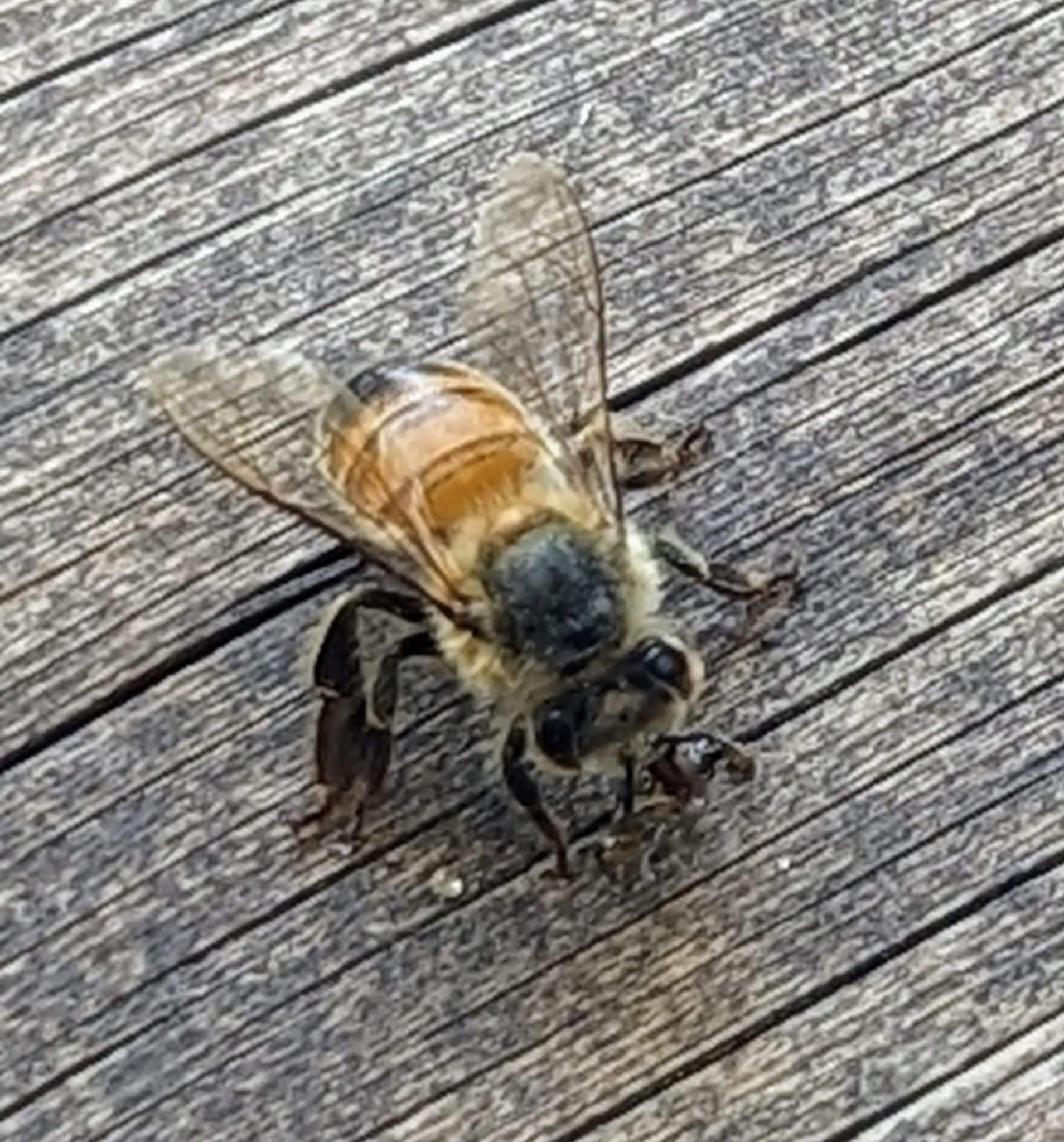
The domestic honeybees are usually running out of new sugar sources in the fall, so are often found scavenging from soda cans or sugary snacks off outdoor restaurant tables like this one in Los Lunas.
The turkeys are also looking for handouts from humans. While feral, this turkey wait patiently outside houses where they know people will put out corn and seeds for them.
This say's phoebe is hunting insects along the river's edge. These birds are notable to feeding on many different sources, but mostly insects. During nesting season their chicks are feed mostly on soft bodied caterpillars.
Army cut worms, like this one, can occasionally form huge clouds of adult "miller moths" in outbreak years. This is not unusual for many insects, but this caterpillar has quite a few other interesting traits. The adult moths can't be exterminated, as new migrating ones will turn up right away afterwards. The caterpillars hatch and go from tiny green forms "instars" to these giant grey beasts in 10 days if the weather is warm. While they are around, however, many animals feast on them.
There is a whole bunch of weird stuff written about tortoise beetles, like this one. However, this blog can say it better than I can. It takes a minute, but can you see the tortoise outline in the shell? This one has a chip in the carapace where a bird tried to flip it over.
 This cryptic young bird is a curve-billed thrasher. A common bird in the desert uplands, this one is a little lost in the trees of a local building, but is hiding well. These birds can often be found in nests in cholla cactus. These birds actually are not often found in trees, they are just plain built wrong for that environment.
While they look similar, woodpeckers are a very different bird living a completely different lifestyle Woodpeckers have 2 backwards facing toes and stiff tail feathers to prop themselves against a trunk while they hunt for soft bodied insects in the trunks of trees.
The weeds most gardener love to rant and rave about are pretty fascinating species. Most are specialized to actually thrive in a world of heavy persecution. Plus, most weeds have pretty flowers if you take the time to look. This is the flower of the puncture vine AKA goatheads
I am not 100% on what this flower is, but I know it is some sort of evening primrose.The stamens appear to be pollen heavy, and probably appeal to bumblebees.
The balloonists from the fiesta probably have mixed reviews of the Corrales Village, but there certainly are many who dip their baskets in the water here. It is probably easier to appreciate the human effect on the landscape from their vantage point high in the sky. They probably don't notice the effect the sound of their burners have on the local bird populations.
Mallards are very well adapted to humans and mostly are here because of the water created by the drainage ditches. The water protects them from non swimming predators and removes hiding locations for them as well. This allows these dabbling ducks to reach easy food just under the water.
Coopers hawks are famous for waiting by backyard feeders to ambush unwary birds flying in to feed,  doves especially. These small raptors adapt very well to human activities like mowing and fields. I have seen them eat everything from cicadas, to mice, to ducks. Their adaptability allows them to change hunting tactics depending on where and when they are. They prefer to be near dense trees. Humans change the environment they live in so fast it must be hard to keep up. In a recent report tree canopy cover in ABQ as a whole is 12%. In the bosque it is 25%. These two areas, however have very different forests. Only a few creatures, like the Coppers hawks, are comfortable in both. Humans, however do not seem happy living below trees. We are just not often found living in groups where the canopy cover is allowed to be much above 15%. Likely this has something to do with paved roads, but until we change and learn to live among the weeds, we are doomed to live with animals that can cope with our lifestyle choices, like mice, pigeons and cockroaches.

Wednesday, September 28, 2022

Mist

 As water continues to become more scarce within the desert southwest, the quality of the water left becomes ever more important. We have not been good stewards for water quality in the past, for many reasons, but now we no longer have the luxury of ignorance.

In many ways, bullfrogs make for an odd invasive creature for New Mexico, where permanent ponds of clear water are usually in short supply. Unfortunately, these big amphibians are very adaptable to humans and irrigation systems. They have happily settled into the many dams and man made storage lakes that dot the farming communities and tolerate a wide range of conditions.
Woody debris is not easily degraded in the dry southwest. When it does occur, the fungi like this inky cap mushroom are responsible for most of the work of making dead wood disappear. The mushrooms actually can be used as ink, but degrade into a goo so fast most people will not bother. There is not a wide diversity of fungi here, but most people do not look. There is certainly more species that the average person realizes at high elevations and everywhere in New Mexico that still has trees.
Passionflower is a really amazing plant that is often bought from grocery stores for these showy flowers. The flower produces sticky traps to deter caterpillar as well as nectary to encourage insect eating ants to visit. Sometimes, the flowers attract bats, but most insects benefit from this climbing vine in some way.
Trumpet vines and passion flowers are always popular in gardens. For some reason the thistle, which is even prettier, is much less appreciated in the garden. There are 19 native thistle species, and two invasive species. They are all very heavily relied by most forms of insects and seed eating birds.
Even though this dragonfly does not benefit directly from plants such as thistles, they can only thrive in areas of wetlands with heavily vegetated borders. They prey on large numbers of native insects such as mosquitos which actually feed on plants, not people.
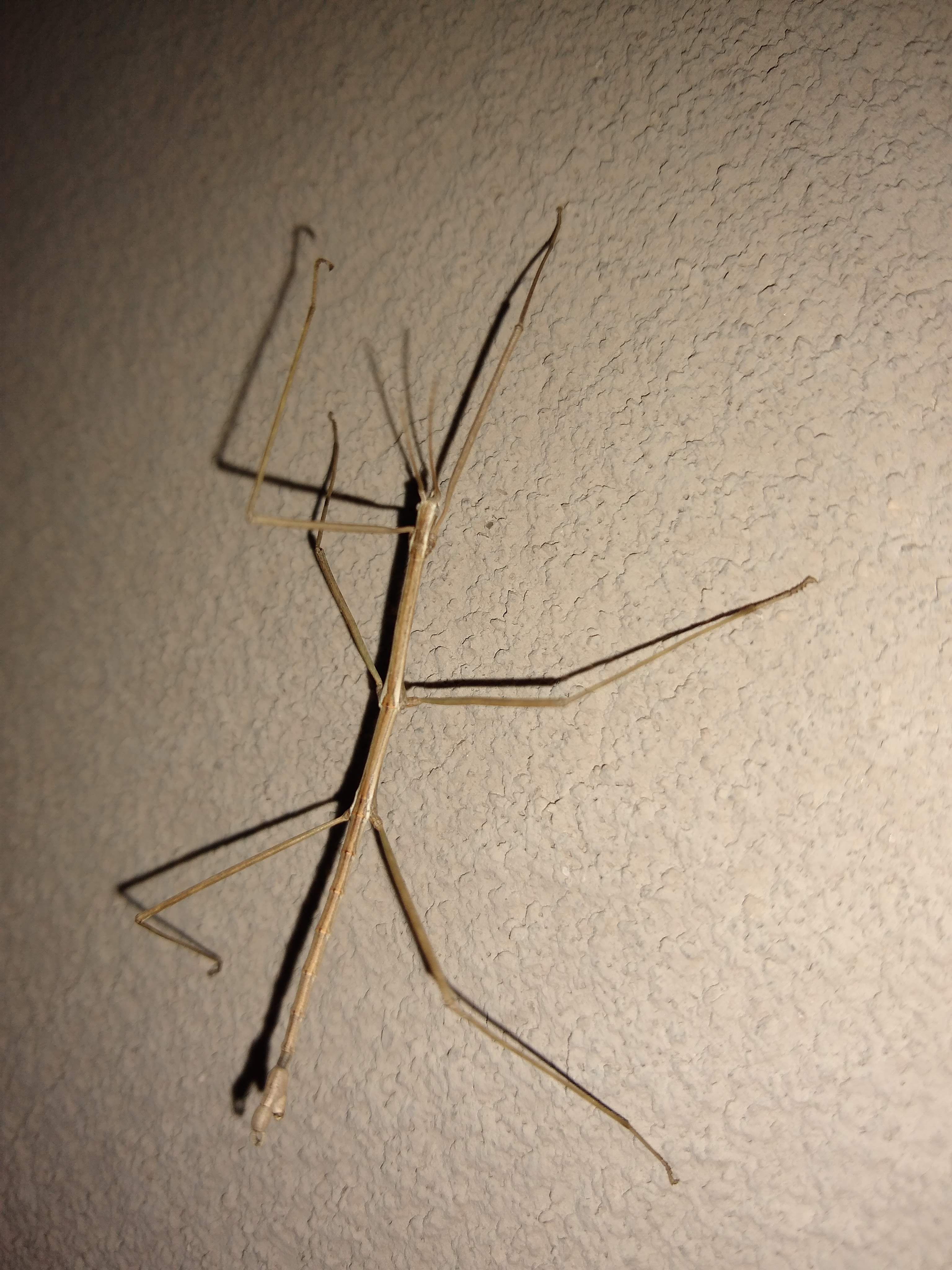
Many people know of stick insects, but these insects still have a few surprises left among the 2,000 different species that make up the family. Some species can spray uric acid into the faces of predators. Others use ants to disperse their eggs. Most use a mixture of cups and spines to climb vertically and upside down. One species is able to change its colors like a chameleon. Only 1 in 1,000 individuals is a male. Some species stay mating for up to three weeks. Research suggested the females that carried around a male survived bird attacks far better by using their partner as a decoy. They often"quake" when alarmed, to look more like a twig on a plant. They often feed at night to avoid movement that could attract birds, but they are easily seen by bats who don't use sight to hunt. Even their eggs look like plant seeds to avoid being targeted by parasitic wasps. They can also shed legs or exude noxious tasting chemicals from their joints if they are spotted.
Squash bugs are the bane of gardeners everywhere, but you have to admire the insectoid tenacity. The adults overwinter in the soil below the plants, making them difficult to kill. They have tough exoskeltons, and not only are they resistant to pesticides, but they feed and lay eggs at the plant's tips, that are often missed in spraying. They are very good at hiding unless there is a large number of them. The smell deters us from crushing them in large numbers. Still, in all fairness, the squash plants they attack are very delicate souls that show blemishes easily and wilt fast because of  highly inbreed and selective domestic breeding. Many gardeners plant sacrificial plants on the borders like tansy and nasturtium. It is interesting that the internet is filled with MANY solutions to removing them from cucumbers, squash, or zucchinni (cucurbits). If any of this advice actually worked for their readers, it's likely there would be less written, not more.
Story telling is far more of a complex art than it would first appear. In a recent tomato patch, I was handed this bunch of "berries" that are actually a close relative of tomato. A tomato is a fruit, not a vegetable. These fruits are actually from a different nightshade species and not for eating. They are likely not poisonous either, but would cause some stomach upset. New Jersey began growing tomatoes, so the story goes, when a gentleman farmer proved tomatoes were not poisonous like other nightshades are, by eating one on the steps of the Salem court house, in 1820. In the 1980's this historical act was re-enacted with live actors on "Robert Gibbon Johnson Day". People do like a good yarn.
Mist is not a rare thing in many parts of the world, like San Francisco.However, climate change is making it rarer. In New Mexico it is rarer still. This mist formed recently in Heidi's raspberry fields that have been left fallow this year. the tall plants in this picture trap the cooler, moist air close to the ground and show very effectively why ground cover is important in mediating our environment. The moist air also encourages pathogenic fungus to flourish that helps control the numbers of certain pest species, such as spongy moth.
Birds are becoming much more visible in the bosque as their numbers swell from fall migration and the leaves that hid them also vanish. Most birds are small, like this black phoebe.
Other birds are much bigger. This night heron lives a very predictable life fishing and is reliably found in a very small section of the bosque. He was flushed into the tree by a loud dog walker nearby, allowing his red eyes and yellow legs to stand out markedly. Normally he is invisible standing motionless in the reeds.
 Many birds have long associations with humans. These feral turkeys are attracted to the area by food put out to tempt sandhill cranes to visit. Here, they are foraging on three leaf sumac berries. The pale one is the mother.
While up to four great heron can roost at the end of Andrews lane, they are usually more solitary. In the fall they boast extra fancy feathers along their necks and back. Right now, they are simply enjoying the good fishing because of the low water levels. They also catch frogs and crayfish. I hear they are pretty good at catching mice, too.
A true sign of fall is these red shafted flickers. Their loud piercing calls are very distinctive in the trees right now.
The bigger raptors are returning now that there are no more pestering birds like hummingbirds to ruin their hunting. They hunt rabbits and ducks but spend a lot of their time watching the world from a favorite roosting spot. This is a Swainson's hawk. In spite of their large size, its preferred food are large grasshoppers which are easy to catch in the cool mornings.
The osprey is an uncommon sight, and very majestic. A huge fish eating bird, they look for the large carp as the fish become stranded by draining water.
All the animals here rely on the source of water that is controlled by human activity. Ever since the ditches were dug to drain away the water from the swampy areas in the 1930's the flow of irrigation water has been carefully controlled by people who depended on it. Today, land stewards spend a lot of time collecting litter from recreational visitors and generally dealing with poor land and water management practices. This trash can thrown into a muddy ditch sums up the situation pretty well.