Translate

Friday, March 5, 2021

arrival

It was nice to find the animals on the ditch acting as they were predicted, including the humans
This muskrat finally appeared in the clear ditch. They seem much more active as the temperatures rise and the duckweed starts growing.
I would expect that the songdogs would be very interested in muskrat migrations which could explain why this young coyote is out in plain daylight between a horse and a dog walker and looking befuddled
Food looks like the main motivation for most animal behaviours, but I suspect that is really a human centric view. For ducks, being in a flock seems to be primarily important. Notice how there is always one (usually male) guard watching while the others dabble.
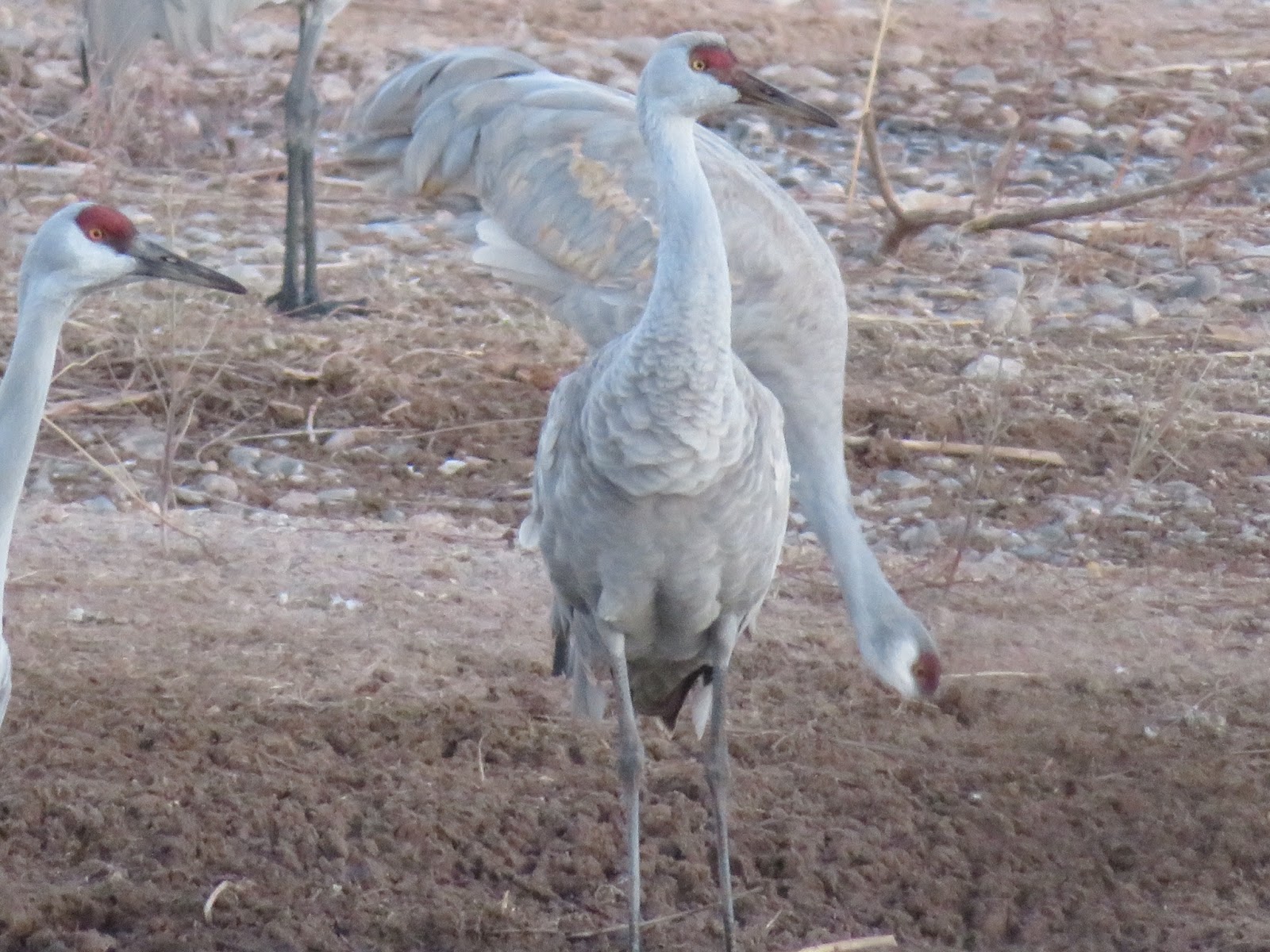
The cranes still look very uncomfortable in the heat  and are in the shade as often as they can be. Bird behaviours can be fascinating.
This large red tailed hawk is looking very serious. It is likely watching the cranes closely.
She is on a bough next to this very spiffy looking nest, but I don't know if she is connected to it, many raptor nests are reused each year, added to by each pair that uses it.
This little male coopers hawk (look closely you can see the stripes on the long, thin tail) is a little nervous about being in proximity of the female red tail, he called out continously from a conspicious perch before hunting in this territory, announcing his presence.
Coopers prefer doves, so these little bluebirds were not too worried, but they were keeping an eye out anyway from the denser branches
Many of the trees a coopers prefers are the tall open canopies of mature trees. Unfortunately the base of most of those trees shows the rot that is going to eventually topple the towers of wood. However, these large trunks are excellent habitat for an entire ecosystem of insects and associated animals.
These mature stands are not accidental, but a result of a land management strategy put in place by humans by canalizing the water into ditches and acequias and minimizing the growing places for the new trees. We live in a managed park essentially. This picture shows the fishermen lining up their cars. Now the water is ice free, there is a short window for trout fishing before the water temperatures becomes too hot. Already there is a strong uptick in debris and abandoned fishing line in the area.

Wednesday, March 3, 2021

cleaning

Spring season is moving slowly, but one of the first things people focus on is Spring cleaning. 
For many birds spring seems pretty stressful. The finches are are almost constantly fighting territory battles now
This towhee did not want to be photographed, these birds are not so good at holding still for pictures, unlike the robins, who seem to hold still just so you can snap a good close-up
These structures should be popping up everywhere pretty soon. Many birds incorporate trash they find to build the nest linings. If they reuse old nests then insect pests will become a problem, so usually they build a new one each year.
Can you see it yet? (Hint): You are looking for ears.
A large pack of skittish coyotes was out today on the ditch, very leery of people. Urban biologists who study them get understandably annoyed about the constant coyote fear from the general public and suggests I call them "songdogs" instead, helps with the perception.
Possibly they were displaced from this nearby field that had just bulldozed a grove of trees that likely had a den underneath. I always find it strange when I see $600 "live edge" tables being sold, while literally tons of trees are simply chipped into landfill.
Sometimes, the limbs are thrown into the ditches. These ditches would normally have water by now, but the drought has delayed water for a month. So now, those ditches are slowly filling with human junk.
Grass isn't so bad, but the MRGCD is still going to have to pay someone to clear this stuff out in a month when they charge the ditches
FInally, along with the green plants growing, other colors are creeping in. Yellow flowers have started to pop up in the "weeds"
These tiny flowers attract many daytime insects.
The first butterflies have started to appear; the mourning cloaks are usually after the cabbage whites, but I haven't seen those yet.
This overflow pond is a sign of things to come, hopefully. I would LOVE to see salamanders out after the first spring rains
The robins are foraging and feasting on moths. They are slowly leaving, but the last few are good at their usual good job of posing for pictures.
A new bug species; a flea beetle. I don't know much about these guys, but beetles are a huge part of the insect world, and there are SO many species.
More fungus gnats, but Inaturalist seems to call everything a fungus gnat, so I might have to ask some entomologist friends about this one.
It is strange to still see the canada geese on the village green, but they have had the place to themselves all year, so they likely have no reason to leave yet.

Tuesday, March 2, 2021

shave

The season of nest building is almost on us. Some animals like the great horned owls should have already started. Of course, many factors interfere to prevent the nest building from being successful
This towhee is drinking from the clear ditch. Many birds have these striking red eyes. I don't think this one is quite as mad as he appears to be.
Many ditches have the vegetation cut short at this time of year. The general theory is that cutting plants now allows birds to forage for as long as possible on last fall's seeds while not interfering with this year's nesting cycle. While the nests aren't affected, the bird behaviour most certainly is.
The grass grows long on the ditch banks and provides shelter for many different animals. This picture shows one of the numerous burrows, likely inhabited sometimes by a muskrat.
the ditches are a good nursery for many plants. The many miro ecosystems caused by the shadows above and below the ground encourage diversity. Here a dock plant pokes above the insulating blanket of protective leaves left by last year's cottonwoods.
I have no idea what plant this was, but there are clearly seed pods that is still actively dispersing seeds into the surrounding area from high off the ground.
the voles are feeding on the tubers and expanding their burrows. The big pile of earth could represent the opening on one of the last underground larders.
Heidi's raspberry patch provides an idea mix of habitiats from short grass to bare soil for hunting insects or roots and also has tree shade for the cranes that remain. Those birds are starting to look pretty uncomfortable in the heat.
Now the crows have almost left, the gulls are free to migrate daily to the river. The difference in the flocks; from black to white is pretty stark.
The trees are still only green where the mistletoe grows. Of course, one of those bunches is not like the others..
The procupines are attracted to the rising sap and buds from the many trees. Those buds are at risk from the late frosts that we are bound to have.
The nights are still cold. Here the water spray from a chute in a beaver dam is still cold enough to freeze on the damp sticks in snowflake patterns that remind us Christmas was just a few monhs ago.
the ducks are pretty happy with the cold, but still pretty nervous around people. They are especially upset with being looked at directly.
The mallards are usually more tolerant, if they are given their space.
Of course, the mallards are huge ducks in comparison to the other species of duck on the river. Here the cinnamon teal is dwarfed by the large mallard it is following
It is strange to see the same red eye that the towhee shows, but in a very distantly related bird species
In contrast, this dove has a band of blue skin around the eye. They prefer to be high up in the blue sky.
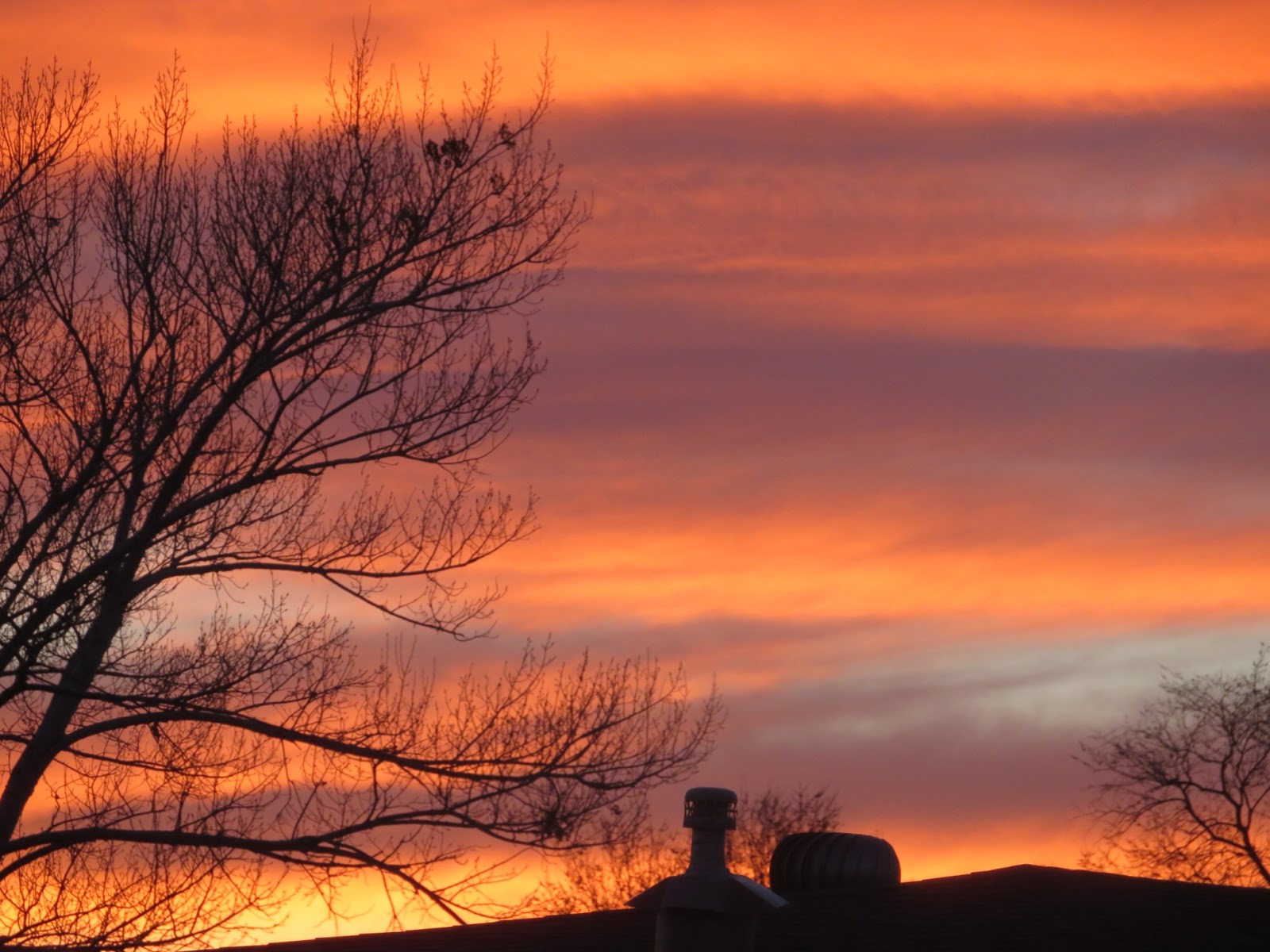
We always have gorgeous sunsets, that characteristcally change colors in the blink of an eye. Pinks, orange, red, purple, blue and greys.
The Phoebes are likely feeding well as there are tons of gnats out at the moment. The insects are the base of a huge food pyramid in the bosque. Such as fish.
For the life of me I don't understand these trout fishermen. Trout can't survive in these waters during the warm months and cost a ton of money to keep stocked. The damage they do to insect and amphibian stocks is crazy, no to mention the problems they cause for other fish...
Rarely seen, but the raccoons have begun their restless patrols along the ditches looking of anything the fishermen might have left behind. The print on the right is a back foot, the long fingers on the paw print on the left shows the front foot.
I think this is the print of a dove that crossed the road just after a truck had passed through. Footprints in the dust often tell a rich story about the climate, fauna and all their interactions.
This is another house lot that has been cleared of old trees prior to building. It is always amazing how the first thing people do when when they move into Corrales is get rid of the one thing that attracts them to the area in the first place!


Monday, March 1, 2021

roost

the world keeps wobbling on its axis and the seasons continue to change. Temperatures rise and fall incycles and life adapts to the changes.
the insects are slow to come out after the last cold snap, but are slowly coming back. The number of insects in slowly going to increase until the variety of bugs becomes totally insane.
This southwestern fence lizard was trying to catch some heat from the last of the sun's rays. Lizards need heat to digest their meals. This reptile uses cavities in the wood as shelter and also hunts spiders through the old wood cracks.
These japanese creeper berries are likely from last year. Some birds are able to eat these berries, but the high levels of Oxalic acid cause kidney failure in most animals that are tempted by the appetizing color
The fire department is using a bobcat to plow wide paths into the dense stands of willow by the edge of the river. They might be making fire breaks, or reducing fuel loads, or creating backchannels for endangered silvery minnow when the monsoons come. It could be horse trails, or trying to stop the construction of unofficial human trails from the numerous bikers, dog walkers, and wildlife watchers. I have no idea. I have mixed feelings about more people making it down to remote areas of the river. It is a fragile beauty that belongs to all of us.
Mostly, the dense trees protect animals such as rthe sandhill cranes when they come in to roost for the evening.
The evenings are pretty special as the sun sets. The birds collect in large flocks to rest after a day of foraging in the farm fields. The shallow water offers relatively good protection from disturbances from people and coyotes. 
Feeding activity continues, of course. But there is also a lot of posturing and courtship activity. I have no idea what the bird in the background is prying out of the mud, but he was pretty focussed on it.
There are also quite a large number of mallards, they get on with all birds, but mostly each species sticks to flocks of its own kind.
The wood ducks are appearing in larger numbers now but mostly stay isolated in a breeding pair.
Down by the Rio Grande Nature Center at the end of Constitution road there are a large number of mallards that roost in trees. In Corrals I have only seen wood ducks roosting in the trees. This is a picture of a female wood duck. Now you know how they got their name!